





Véronique

Cover story portrait for The Identity Issue
The Identity Issue

Beyond the Binary: The New Architecture of Form

For the Identity Issue, we asked photographers and writers across four continents to document the people reshaping fashion from the inside out. The result is a portfolio of portraits, essays, and reports that treat identity not as a trend but as a permanent creative force. Photography by Elena Rossi.

Words by Julian Thorne
The Editor's Letter

"Fashion is no longer a mirror but a window into who we choose to become tomorrow. This month, we celebrate the artisans of self."

— C. Véronique, Editor-in-Chief

The Global Portfolio

Faces of the World

Gallery →
Portrait of a woman in a modern sari with gold jewelry
India · Jaipur

Rooted Radiance

A new generation of Indian designers is rewriting heritage in silk, gold, and quiet confidence.

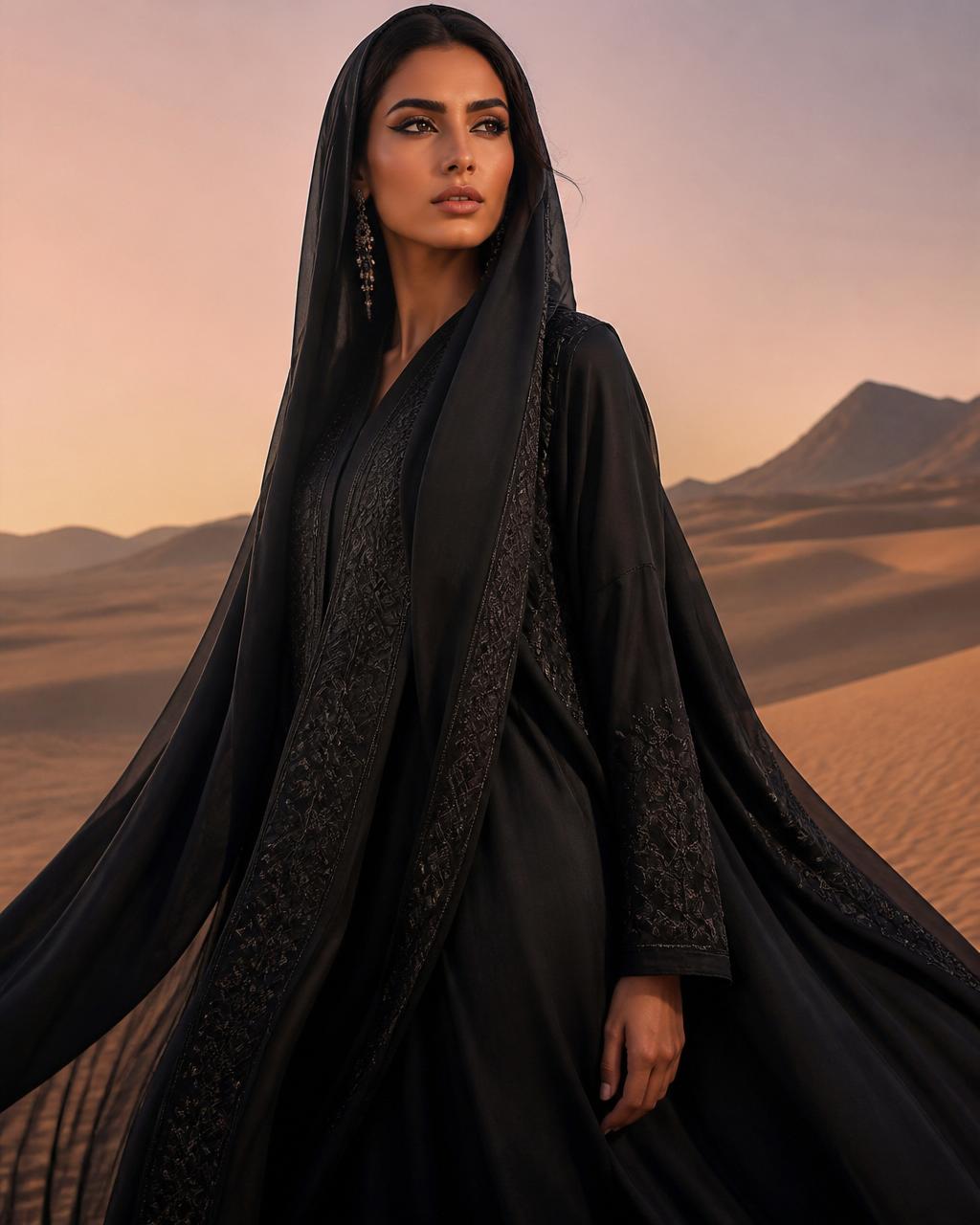
Portrait of a woman in an embroidered black abaya at desert dusk
Arabia · Riyadh

Desert Couture

From Riyadh to Doha, the modern abaya has become a sculptural canvas for the region's most exciting ateliers.

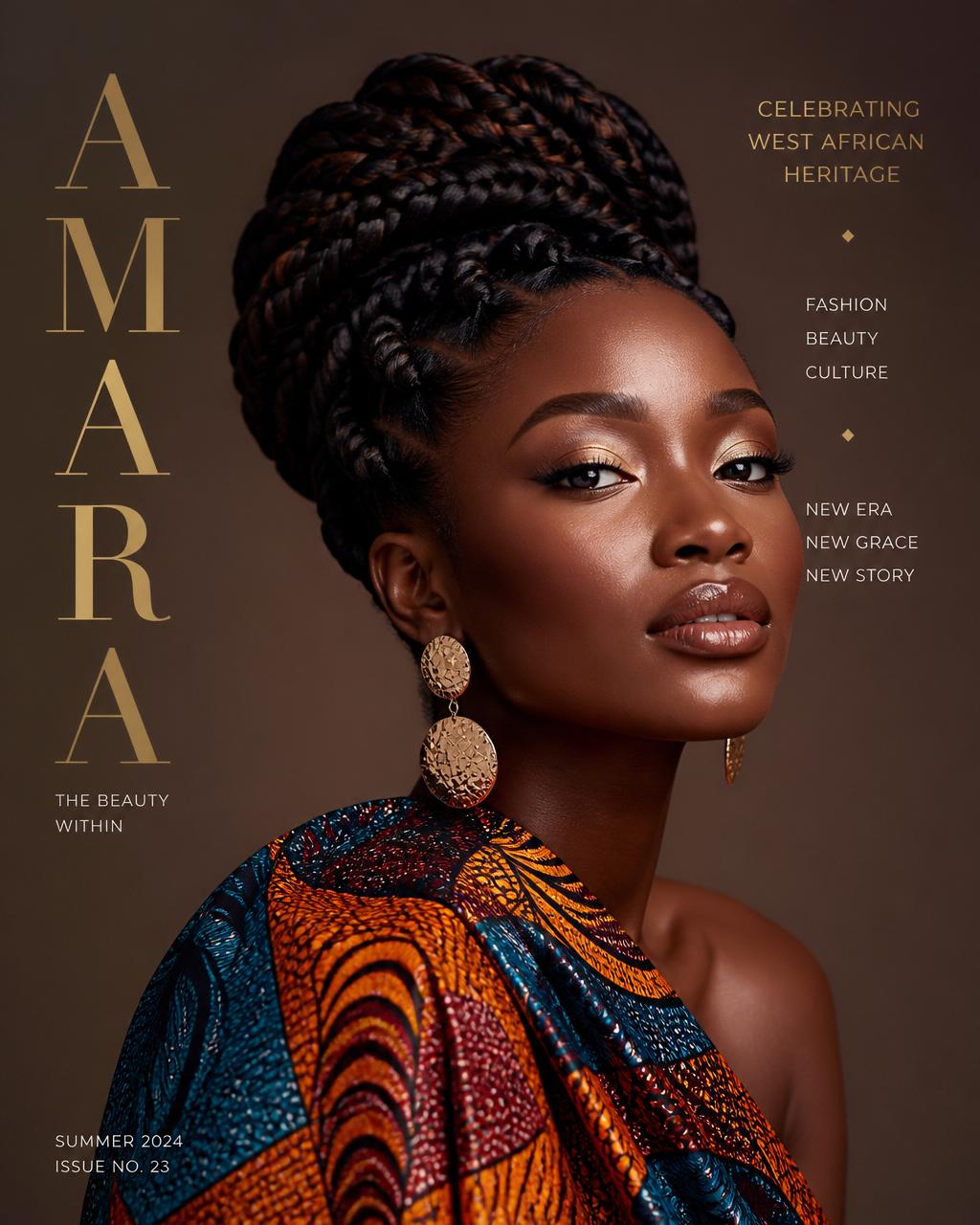
Portrait of a West African woman with sculptural braids and vibrant textile
West Africa · Lagos

The Beauty Within

Lagos is the loudest fashion capital you have not visited yet — and its designers are already shaping global runways.

Daily SPF, invisible finish
Advertisement · Amazon · BeautyDaily SPF, invisible finish
Shop sunscreen
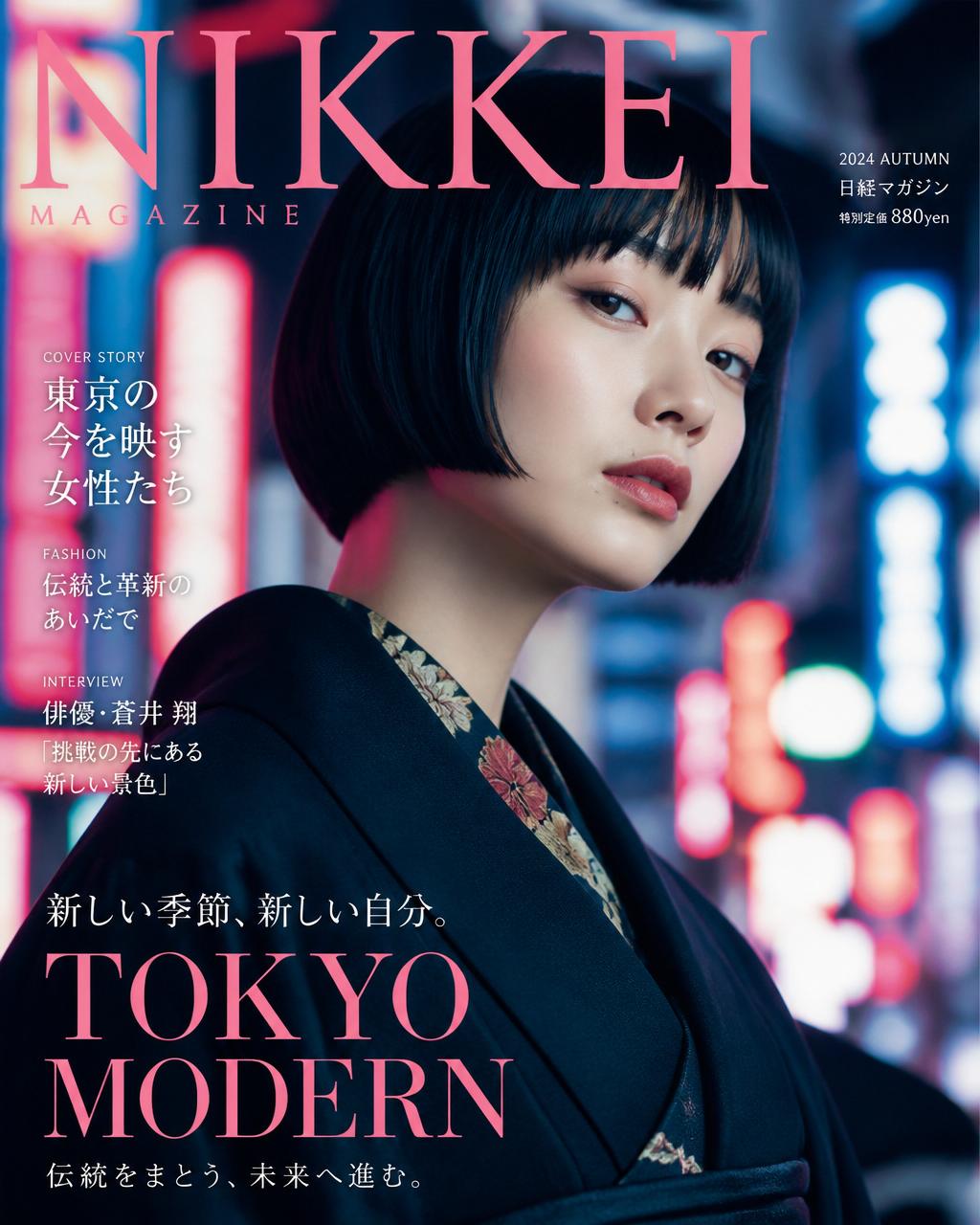
Portrait of a woman with sleek bob in modern minimal silhouette under Tokyo neon
Japan · Tokyo

Tokyo Modern

Tradition and futurism share the same frame on Tokyo's late-night runways.

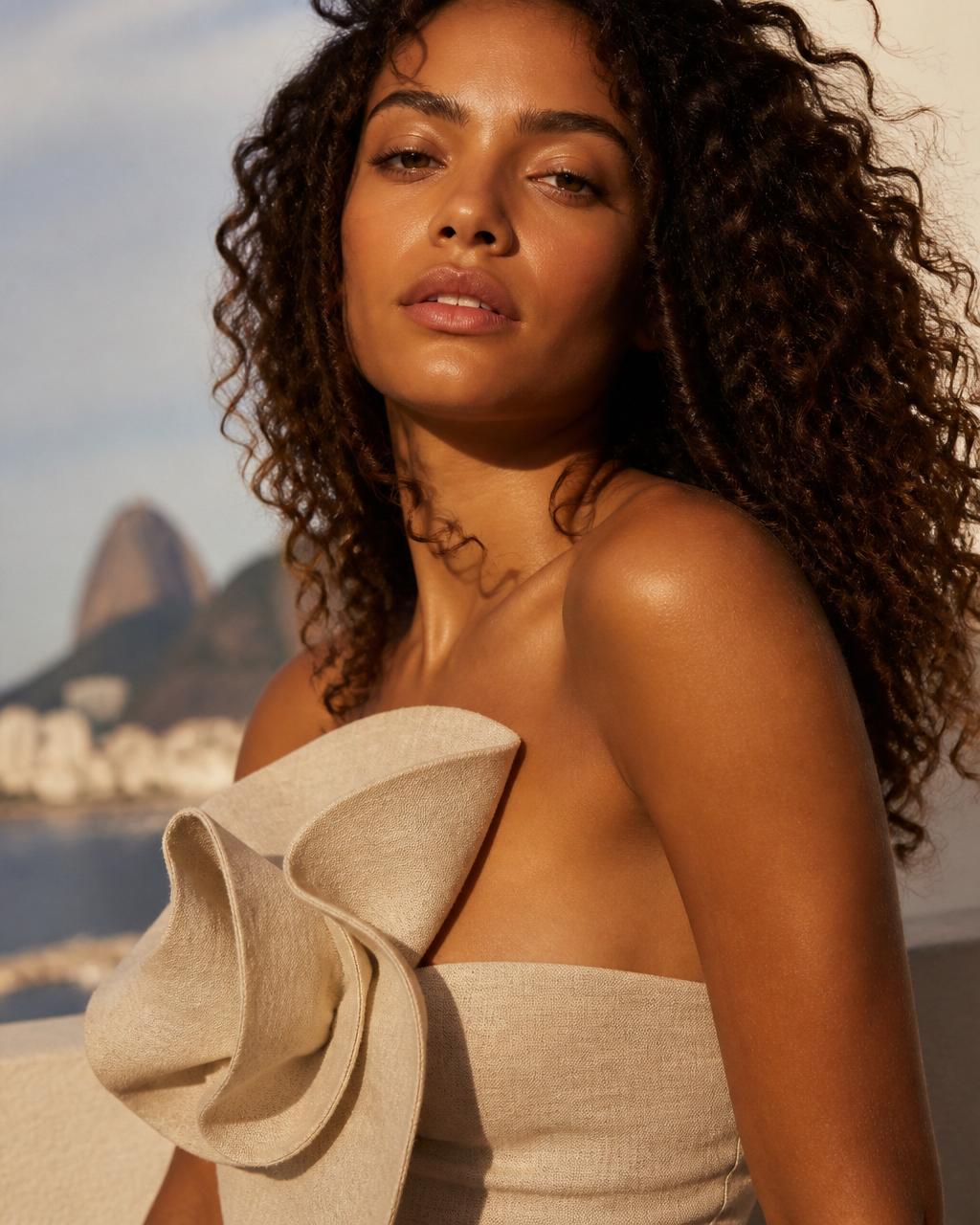
Portrait of a woman with natural curls in sculptural linen against Rio skyline
Brazil · Rio de Janeiro

Carioca Light

Sun, salt, and sculpted linen — Brazilian style is being rebuilt around the body, not against it.

Portrait of a man in sharp modern tailoring on a Seoul rooftop
Korea · Seoul

New Elevation

Seoul's menswear scene is exporting precision — clean lines, sharp shoulders, no apology.

Slip dresses & soft tailoring
Advertisement · Amazon · FashionSlip dresses & soft tailoring
Shop fashion
Portrait of a woman in an embroidered kaftan in a Marrakech courtyard
Morocco · Marrakech

Héritage & Modernité

Marrakech ateliers are reinventing the kaftan one hand-embroidered seam at a time.

Portrait of an Ethiopian woman with silver jewelry in highland morning light
Ethiopia · Addis Ababa

Grace Unfolded

Highland silver, hand-spun cotton, and a quiet refusal to be reduced to a trend.

Portrait of a Mexican woman with braided hair and embroidered blouse in Oaxaca light
Mexico · Oaxaca

Herencia y Orgullo

In Oaxaca, embroidery is a language — and the next generation is writing new sentences with it.

Leather totes & gold hoops
Advertisement · Amazon · StyleLeather totes & gold hoops
Shop accessories
Portrait of a Scandinavian woman in a grey wool coat in Stockholm winter light
Sweden · Stockholm

Stockholm Winter Light

Nordic minimalism is not absence — it is everything you actually need, cut precisely.

The Reel Room

Watch

Routine

The Korean Sunscreen Layer

Texture

The Glow Serum Drop

Latest Reports

Editorial portrait of a woman in a modern sari with gold jewelryCulture · By Anika Reddy

Rooted Radiance: How India is Rewriting Global Glamour

There is a particular kind of light in Jaipur in late October — low, gold, and unhurried — that makes everything it touches look like it was made by hand. Inside a courtyard atelier off the old city walls, a karigar is stitching the final row of zardozi onto a silk panel that will travel, three weeks from now, to a runway in Paris. He has been working on it since June. He is fifty-one years old. His father did the same work, in the same room, for forty years. This is the part of Indian fashion the international press still tends to miss. The runways are loud and photographable, the colors travel well on social, the celebrity wattage is undeniable. But the real story is quieter and older: a country in which couture-level handwork never stopped being a daily profession. While European houses spent the last decade reckoning with the slow disappearance of their petites mains, Indian ateliers in Lucknow, Kolkata, Varanasi, and Jaipur kept training apprentices the way they always had — by sitting them next to a master and handing them a needle. What is new is the design language wrapped around that craft. A generation of designers educated between Mumbai, London, and New York is treating heritage not as costume but as material — something to be cut, draped, deconstructed, and re-proposed for a global wardrobe. The sari is reappearing as a pre-draped, zipped silhouette engineered for a working week. Bandhani prints are being scaled up and used as the entire field of a tailored coat. Mirror work is migrating onto denim. None of it apologizes for itself. It helps that the country's domestic market is now large enough to support real risk. A decade ago a young Mumbai label needed an export buyer to survive its second season. Today, the wedding economy alone — estimated at well over fifty billion dollars annually — sustains entire ateliers, photographers, hair and makeup teams, and a small army of stylists whose work is as polished as anything coming out of Milan. International recognition has become a consequence of domestic confidence, not a precondition for it. The beauty story is following the same arc. Indian skincare brands are exporting Ayurvedic formulations that have, depending on how you count, somewhere between five hundred and two thousand years of testing behind them. Saffron, turmeric, kumkumadi, sandalwood — ingredients once filed under 'wellness' are being reformulated to the standards of contemporary cosmetic science and sold in matte glass bottles in Seoul, London, and Brooklyn. The marketing, increasingly, is unembarrassed about where it comes from. What ties all of this together is a refusal of the old global hierarchy in which Indian craft was raw material and European branding was the value-add. The designers we spoke with — eight of them, across four cities, over six weeks — were uniformly bored by the question of whether they wanted to be 'on the world stage.' They are already on it. What they want is for the world to stop describing them as emerging. It is a fair request. The work is here. The light is here. The hands have been here the whole time.

Editorial portrait of a woman in an embroidered black abaya at desert duskFashion · By Layla Al-Mansouri

Desert Couture: The Quiet Power of the New Arabian Atelier

The first thing you notice in a Riyadh atelier in 2026 is how quiet it is. Not the polite quiet of a European maison, where silence is a performance of seriousness, but a working quiet — twenty women at twenty stations, pattern paper rustling, a sewing machine going on and off, somebody at the back negotiating with a beadwork supplier in three languages at once. The clothes coming out of these rooms are some of the most carefully constructed garments being made anywhere on earth right now, and almost no one outside the region is talking about them. This is starting to change. The last three seasons have seen a small but unmistakable shift: Gulf designers showing in Paris and Milan not as a curiosity but as competitors, stocked at Bergdorf and Matches, dressed on red carpets without the usual disclaimers about 'modest fashion.' The category itself is dissolving. What is replacing it is something closer to the original meaning of couture — clothes made by hand, in small numbers, for women who know exactly what they want and have the resources to commission it. The abaya is the form that most outsiders fixate on, and it is genuinely worth fixating on. Stripped of its associations, it is one of the cleanest silhouettes in fashion: a long, fluid garment that falls from the shoulders, draws no attention to the waist, and can be cut from almost any fabric. Saudi designers in particular have spent the last decade treating it the way Yohji Yamamoto treated the suit — as an architectural problem to be solved over and over. The results range from minimalist black crepe with a single bias seam, to hand-painted silk organza, to structured wool versions that look, frankly, like coats Phoebe Philo would have designed in her Céline years. What is harder to convey in photographs is the embroidery. Gulf ateliers have inherited and refined a tradition of metallic-thread work — tilli, badla, and contemporary variants — that requires a level of dexterity now rarely found outside two or three workshops in Paris and Mumbai. A single sleeve panel can take three weeks. The pieces are not cheap. They are also not trying to be. The parallel story is in beauty. Arabian perfumery is older than most of what is sold as 'French' perfumery — oud, rose, amber, and musk have been blended in the region for over a thousand years — and the houses founded in Dubai and Riyadh in the last decade are now exporting fragrances that are quietly displacing legacy European brands on niche perfumery shelves from Tokyo to Toronto. The bottles are heavier. The concentrations are higher. The scent stays on a wool coat for three days. The women running these businesses tend to be in their thirties and forties, often Western-educated, and almost universally uninterested in the question of whether their work is 'empowering.' They consider the framing condescending. They are designers. They run companies. They employ artisans. They ship internationally. The work speaks, and the work is excellent. It is also, finally, being heard.

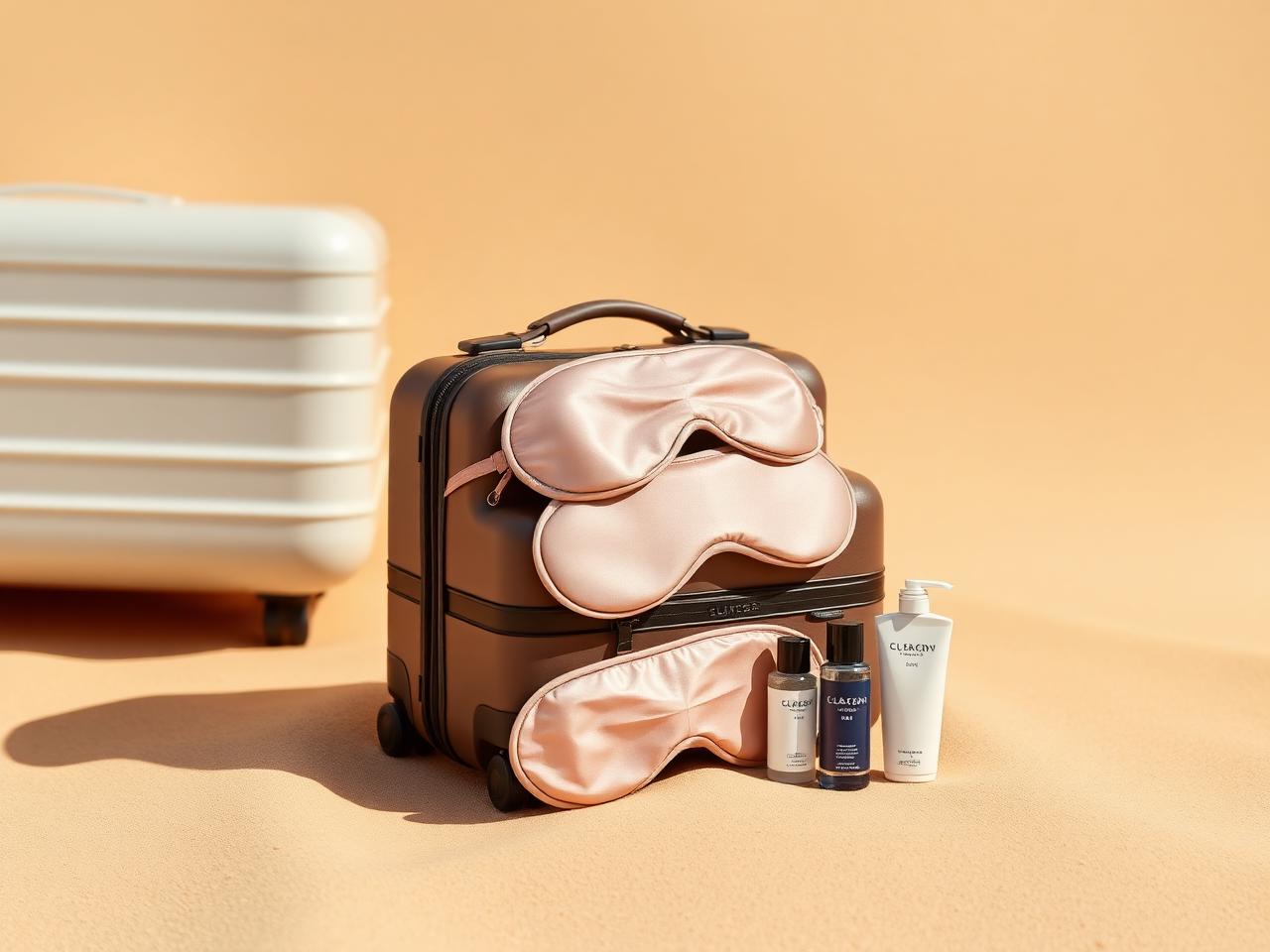
Pack lighter, arrive better
Advertisement · Amazon · TravelPack lighter, arrive better
Shop travel
Editorial portrait of a West African woman with sculptural braids and vibrant textileCulture · By Chimamanda Okafor

Lagos Light: Inside the Loudest Fashion Capital You Haven't Visited

Lagos does not whisper. The traffic does not whisper. The markets do not whisper. The fashion does not whisper. To walk through Balogun Market on a Saturday morning is to be hit by more color, more pattern, and more confidence in fifteen minutes than most European cities project in a year. For a long time, this was filed by the international press under 'street style' — a polite way of saying 'not yet serious.' That filing system is no longer tenable. In the last five years, Lagos has become one of the four or five most consequential fashion cities in the world. Nigerian designers are stocked at Browns, Net-a-Porter, and Ssense. Nigerian photographers are shooting campaigns for European luxury houses. Nigerian models — and, increasingly, Nigerian casting directors — are reshaping who appears on global runways. The cultural export is happening at scale, and it is happening on Nigerian terms. The terms matter. The designers we interviewed for this piece — eleven of them, across two weeks in Lagos and a return visit to Accra — are uninterested in being framed as the next anything. They are not the next Paris. They are not the next New York. They are Lagos, and Lagos is enough. The clothes reflect this. Ankara is treated as a material with the same seriousness a Milanese house would give to a wool flannel — sourced from specific mills, cut on the bias, paired with silk and leather and technical fabrics, photographed without exoticism. Tailoring is sharp. Color is loud and intentional. The proportions assume a body that moves. The infrastructure has caught up too. Lagos now has its own fashion week, its own emerging design awards, its own roster of stylists, hair artists, set designers, and post-production houses. A young designer launching a label in 2026 does not need to leave the country to access world-class collaborators. They can, and many do, but it is a choice rather than a necessity. That changes everything about what the work looks like. The beauty story is just as serious. West African skincare brands are formulating around shea, baobab, and marula — ingredients with long traditional use and increasingly compelling clinical data — and exporting them with packaging that does not need to apologize. Hair, of course, is an entire continent of innovation in itself. The braiders, locticians, and natural-hair specialists working in Lagos, Abidjan, and Dakar are setting the global standard, and the global standard is finally noticing. What the rest of the world is slowly understanding is that Lagos is not a story about potential. It is a story about a creative economy that has already happened, that is already exporting, that is already shaping what the next decade of global fashion is going to look like. The only question left is how quickly the international gatekeepers will admit that the gate has been open for some time. For now, the work continues. The light in Lagos is harsh and beautiful. The clothes are made to meet it.

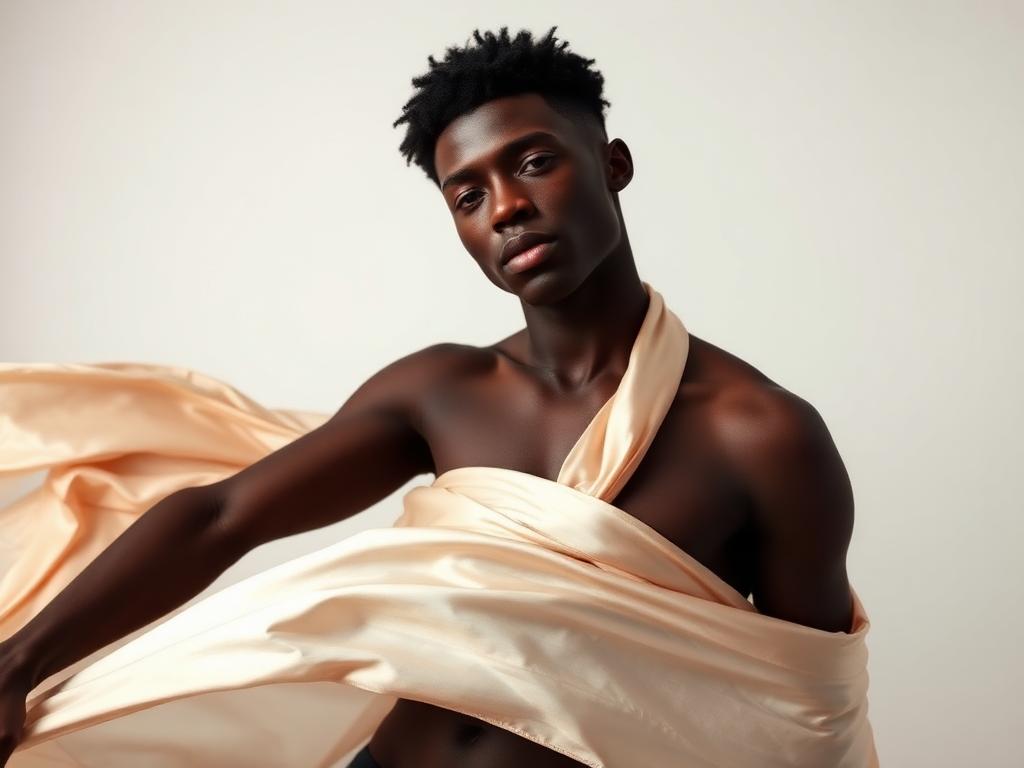
A model in a flowing silk shirtFashion · By Marco Salinas

Silk as Armor: The Soft Power of Modern Masculinity

For most of the twentieth century, silk was coded feminine in the Western wardrobe. It lined the interior of a man's suit — a private luxury, invisible to the street — but it rarely appeared on the outside of his body without an apology. That coding is finally coming apart, and the shift is one of the more interesting quiet stories in menswear right now. Walk through the men's shows in Milan this season and silk is everywhere. Not as an accent, not as a lining, but as the primary material of the collection. Zegna sent out silk-cotton overshirts in dusty terracotta and stone. Prada opened with a raw silk trench that skimmed the body without clinging to it. Giorgio Armani, who has been arguing this case since 1980, showed a whole passage of unlined silk jackets in taupe and slate that looked less like tailoring and more like weather — something you put on to move through the world in. Seoul is running the same experiment from a different angle. The K-menswear designers coming out of Hongdae and Seongsu are treating silk with a technical eye: silk-linen blends engineered to hold a shoulder line, silk twills bonded to nylon for weight, silk crepes cut into boxy, dropped-shoulder shirts that read more like sculpture than clothing. Worn open over a fine-gauge tee, these pieces do something a T-shirt cannot: they occupy space around the body without constricting it. That is a specific kind of power, and men are noticing. The cultural shift underneath the material shift is worth naming. A decade of hard tailoring, gymwear, and 'quiet luxury' minimalism trained a whole generation of men to associate power with restriction — the tight jacket, the technical fabric, the compressed silhouette. Silk moves in the opposite direction. It insists that softness, fluidity, and drape are not concessions but sources of authority. The people wearing it right now — musicians in Seoul, chefs in Copenhagen, gallerists in Mexico City — are not soft in any meaningful sense. They are simply refusing the old equation. The production story is quieter but just as important. Silk is one of the few luxury textiles whose supply chain has genuinely improved in the last decade. Small mills in Como, Suzhou, and Bengaluru are producing silk with lower water use, better dye recovery, and traceable sericulture. The material that shows up on the runway now is closer to the material a nineteenth-century tailor would recognize than anything produced in the polyester-heavy years of the early 2000s. What all of this adds up to is a small correction. Silk was always a technical marvel — light, strong, temperature-regulating, capable of holding both structure and drape. The last century simply assigned it to the wrong half of the wardrobe. The current generation of designers, and the men buying their work, are quietly moving it back to where it belongs: on the outside, in the light, worn without qualification. Call it soft power if you want. The clothes themselves do not need the phrase.

Reading the world of style
Advertisement · Amazon · CultureReading the world of style
Shop books
A curated skincare flatlayCosmetics · By Dr. Aris Thorne

The Molecular Future of Skin Barrier Repair

For most of the last twenty years, skincare marketing has been organized around the idea of correction. You had a problem — a wrinkle, a spot, a pore — and a product existed to erase it. The stronger the active, the better the product, the faster the result. This model built enormous brands. It also, quietly, damaged a lot of skin. The correction is now under way. Dermatologists in Seoul, São Paulo, Paris, and New York are converging on a different first principle: the skin barrier — the outermost layer of the epidermis, made of corneocytes and lipids — is not a canvas on which to apply chemistry. It is a living, adaptive interface between the body and the world, and most of what we call 'problem skin' is barrier dysfunction dressed up in different names. Repair the barrier, and the visible problems tend to resolve themselves. What does barrier repair actually mean in a bottle? Six ingredients are doing most of the work in the current generation of serious formulations. Ceramides — the lipid molecules that make up roughly half of the barrier's structure — can now be synthesized in ratios that closely mimic native skin (typically ceramide NP, AP, and EOP in a 3:1:1 ratio). Cholesterol and free fatty acids complete the lipid triad. Niacinamide, at 2 to 5 percent, upregulates the skin's own ceramide production and reduces transepidermal water loss. Panthenol calms inflammation. And a new generation of postbiotic ferments — lysates from lactobacillus, bifida, and vitreoscilla — are shifting the skin's microbiome toward the strains associated with resilient, low-inflammation skin. The reformulation cascade this has triggered is remarkable. Legacy French pharmacy brands that spent decades pushing high-percentage acids are now leading with ceramide-forward creams. Korean brands, which arguably started the barrier-first movement in the mid-2010s with cica and centella asiatica, are now exporting technical formulations that outperform most Western prestige products at a fraction of the price. Brazilian labs are using biodiverse Amazonian oils — buriti, pracaxi, ucuuba — as barrier-supporting lipid sources with genuinely novel fatty acid profiles. The clinical evidence is holding up. Multiple recent studies — including a 2024 randomized trial out of Yonsei University College of Medicine — have shown that barrier-first regimens produce measurable improvements in skin roughness, redness, and hydration within four to eight weeks, and that these improvements persist longer than the results from equivalent regimens built around exfoliating acids. The mechanism is intuitive in retrospect: skin that is not chronically inflamed does not, in general, look inflamed. There is a cultural shift folded into the science. The new routine is shorter, gentler, and less punitive. Two products in the morning, three at night, no burning, no purging phase, no ten-step regimen requiring an hour of your evening. The aesthetic result — calm, even, resilient skin that looks like healthy skin rather than corrected skin — has become the reference point on international runways, in beauty campaigns, and in the offices of every dermatologist we spoke with for this piece. The old model told you your skin was a problem to solve. The new model tells you your skin is an organ to support. It is a better model. It is also, finally, backed by the data.

A performer in avant-garde runway stylingCulture · By Lin-Su Wang

Runway Resistance: From Underground to Global Spotlight

Ballroom did not arrive in mainstream fashion. Mainstream fashion arrived, very late, at ballroom. That distinction matters, and the community that built the scene — Black and Latino queer and trans performers in Harlem, from the late 1960s onward — is increasingly unwilling to let it be flattened by a documentary crew or a runway reference nobody credits. What is undeniable is the influence. Watch the tapes of Paris couture from the last three seasons and the debt to ballroom is everywhere: the exaggerated shoulder, the sculptural hip, the confrontational walk, the theatrical proportions, the specific vocabulary of poses that designers now build entire finale looks around. Vogueing, once a form of coded resistance danced in rented halls at three in the morning, is now the movement language of luxury campaigns. The choreographers being hired to teach couture models how to walk are, more often than not, mothers and fathers of houses from New York, Paris, and Tokyo. The scene itself has not stopped moving. If anything, it has grown. Balls now happen weekly in Paris, London, Berlin, Tokyo, Mexico City, São Paulo, Johannesburg, and Manila, each with its own houses, its own legends, its own dialect of categories. The Kiki scene — the younger, more accessible layer beneath the traditional Major houses — has become a global training ground for the next generation of performers, designers, and stylists. Many of the people currently shaping the visual language of international luxury came up on a Kiki floor. What gets lost when the culture is imported wholesale into a fashion week press kit is the point of the culture. Ballroom exists because its founders were locked out of everywhere else. It is a system of chosen family — houses led by mothers and fathers who raised, fed, and often literally sheltered members who had been rejected by biological family. The categories, the walks, the trophies are the visible part. The care structure underneath is the actual architecture. You cannot lift the aesthetic without engaging the ethic. Some of the industry is figuring this out. A handful of luxury houses are now doing what should have been done a decade ago: hiring performers from the scene not as one-off references but as long-term collaborators, paying properly, crediting on the show notes, and funding the balls themselves. Others are still cutting checks to the wrong people. The community can tell the difference, and increasingly, so can the audience. The brighter development is that the scene is producing its own designers, its own photographers, its own magazines, and its own runway shows now — outside the traditional fashion week structure and, in many cases, outperforming it in cultural impact. What used to be underground is now, for a growing global audience, the main stage. The old fashion establishment is going to have to catch up. It is a good problem for the establishment to have. The talent has been there the whole time. The only thing that changed is who is finally allowed to hold the microphone.

Slip dresses & soft tailoring
Advertisement · Amazon · FashionSlip dresses & soft tailoring
Shop fashion
Minimal makeup products on a vanityBeauty · By Priya Anand

The Quiet Glow: Minimalism Returns to the Makeup Counter

The last ten years of mainstream makeup, filtered through Instagram tutorials and drag-adjacent contouring, taught an entire generation that a finished face required roughly fourteen products, three brushes, and a setting spray. The current moment is doing something quieter and, for many people, much more useful. Skin is being allowed to look like skin again. Call it the quiet glow. The category name is imperfect, but the tell is consistent: tinted balms instead of full-coverage foundation, a wash of cream blush pressed in with fingers, a dab of clear lip oil, and — if you are feeling formal — a single sweep of mascara. That is the whole face. It takes ninety seconds. It photographs well in daylight and, more importantly, it photographs well in the kind of overhead office lighting that used to make heavy makeup look like a mask. The formulation science that makes this possible is genuinely new. The last three years have seen a wave of hybrid products — 'skin tints' with SPF and hyaluronic acid, cream blushes stabilized with squalane, lip balms tinted with mineral pigments rather than dye — that behave more like skincare than cosmetics. They sit on the face without settling into fine lines, they last through a normal day without touch-ups, and they come off with a splash of water. The tradeoff, which the industry does not always advertise, is that they demand skin that is reasonably healthy to begin with. Which is precisely why the barrier-repair skincare movement and the quiet-glow makeup movement are the same story told from two directions. Our beauty desk tested the trend across six skin tones and three climates over eight weeks. The consistent finding was that the products designed for this aesthetic — we are being deliberately vague about brands here because the specific SKUs turn over quickly — work remarkably well on darker skin, where heavy foundation has historically been the most punishing to blend. A well-formulated tint in the right undertone reads as skin, not as coverage, across the entire Fitzpatrick range. That is not something the previous generation of 'natural' makeup could honestly claim. There is a cultural piece here too, and it is worth stating plainly. The quiet glow is inclusive by design because it does not ask its wearer to hide anything. Freckles, pores, texture, the small asymmetries of a real face — all of it stays visible. For anyone who spent years being told, implicitly or explicitly, that their unedited face was a problem, that is not a trivial shift. What we are watching is not a rejection of makeup. It is a rejection of the idea that makeup is a corrective procedure. The counter is still full. The palette is still enormous. The technique is simply lighter, faster, and more forgiving. That is a better relationship for most people to have with the mirror. Quiet, in this context, is not the opposite of loud. It is the opposite of anxious.

Korean skincare products arranged in an editorial flatlayTravel · By Soo-Jin Park

The Seoul Skincare Routine: A Traveler's Guide to K-Beauty

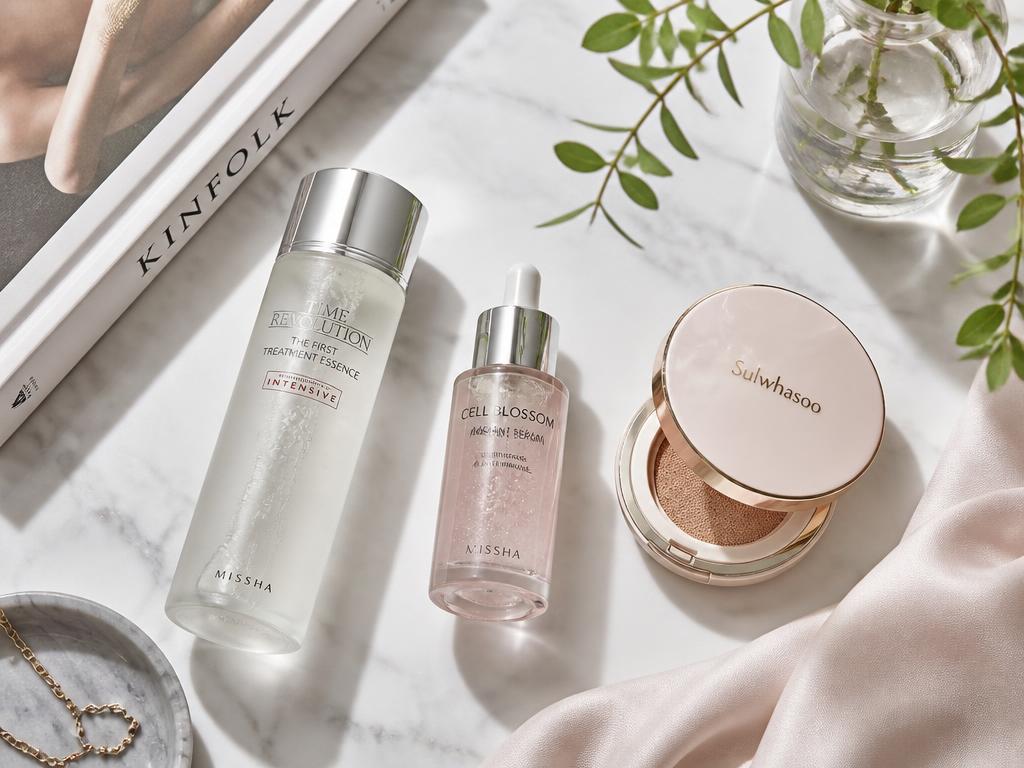
The first thing to know about buying skincare in Seoul is that you do not need to hunt. Every major neighborhood — Myeongdong, Hongdae, Garosu-gil, even the basement floors of department stores — has at least one Olive Young, and Olive Young is arguably the most efficient beauty store on earth. The shelves are organized by concern, not by prestige, and the staff will hand you samples until your tote bag is heavy. The second thing to know is that the famous ten-step routine is a marketing myth. No dermatologist in Seoul recommends ten steps. What Korean skincare actually does well is hydration, layering, and sun protection — three principles that happen to be perfect for travel, where planes, hotel air conditioning, and sudden climate changes wreck your barrier. For a trip, pack a short routine that fits in a quart-size bag. A low-pH cleanser, a hydrating toner or essence, a moisturizer with ceramides, and a broad-spectrum sunscreen. That is the whole foundation. If your skin is dry, add a sleeping pack you can use as a heavy night cream. If you are acne-prone, swap in a lightweight gel moisturizer and a BHA liquid for clogged pores. The products that are genuinely worth buying in Seoul rather than ordering online are the ones that are cheaper, fresher, or unavailable abroad. Sunscreens from Beauty of Joseon, Round Lab, and Skin1004 cost roughly half what they do with international markup. Hydrating toners from Cosrx, Anua, and Pyunkang Yul are shelf-stable and easy to pack. Sheet masks are impulse buys that make excellent souvenirs. Where to shop depends on your patience. Olive Young has the best selection and frequent promotions. Department stores like Lotte and Shinsegae carry higher-end brands such as Sulwhasoo and Hera with generous gift-with-purchase sets. The standalone Amorepacific flagship in Sinsa is worth a visit for the experience, if not necessarily the discount. A practical tip: buy the sunscreen first. Korean and Japanese sunscreens are regulated differently than in the United States, which is why the best ones are rarely available there. Stock up, because once you use a proper SPF that does not pill, smell like sunscreen, or leave a white cast, it is hard to go back. The real secret of K-beauty is not the number of steps. It is the assumption that skincare should be consistent, gentle, and enjoyable enough that you will actually do it every night, even in a hotel room with bad lighting and a mini-bar calling your name.

The K-beauty shelf, restocked
Advertisement · Amazon · BeautyThe K-beauty shelf, restocked
Shop skincare
Editorial portrait of a woman with sleek bob in modern minimal silhouette under Tokyo neonBeauty · By Lin-Su Wang

Japanese Drugstore Beauty Finds Worth the Suitcase Space

Japanese drugstore beauty has a reputation for being quiet. The packaging tends toward white, the copy is restrained, and the marketing rarely promises miracles. What the products actually do is work — consistently, without drama, at prices that make Western prestige brands look embarrassed. The category to prioritize is cleansing. Japan produces some of the best oil cleansers, balms, and foaming washes in the world, largely because Japanese consumers treat a clean face as the non-negotiable first step of any routine. DHC Deep Cleansing Oil has been a bestseller for decades for a reason: it dissolves sunscreen and makeup without stripping the skin. Follow it with a gentle foam — Hada Labo, Senka, and Biore all make excellent versions — and you have a two-step cleanse that costs less than a single fancy micellar water in Paris. Hydration is the second strength. Hada Labo Gokujyun Premium Lotion is essentially a bottle of hyaluronic acid in various molecular weights, and it costs under fifteen dollars. Layer it under any moisturizer and your skin will hold water differently. For dry or mature skin, the Naturie Hatomugi Skin Conditioner is a lightweight, fragrance-free hydrator that doubles as a body toner and after-sun soother. Sunscreen is where Japan genuinely leads. Biore UV Aqua Rich, Anessa Perfect UV, and Skin Aqua are all formulated to be invisible, weightless, and genuinely protective. The textures feel like skincare, not beach sunscreen, which is why people who try them rarely return to the chalky formulas sold in most Western pharmacies. If you are shopping in Tokyo, Matsumoto Kiyoshi and Don Quijote are the obvious destinations. Matsumoto Kiyoshi is cleaner and better organized; Don Quijote is cheaper and more chaotic. Airport duty-free shops also stock the major brands, though prices are slightly higher. The best strategy is to buy one or two items early in your trip, test them, then stock up before you leave. The honest verdict on J-beauty is that it is not about discovery. It is about reliability. The products that have been popular in Japan for years are popular because they work. There is no secret ingredient, no hidden gem. The gem is the formulation discipline — the refusal to overpromise and the insistence on texture, stability, and results. For a traveler, that discipline is ideal. A small bag of Japanese drugstore products will keep your skin calm through humidity, air conditioning, long flights, and unfamiliar water. And when you run out, you can usually find them online, though you will pay more for the shipping than the product.

Portrait of a woman in an embroidered kaftan in a Marrakech courtyardTravel · By Celia Moreau

What to Pack for Morocco: A Minimalist Beauty & Style Capsule

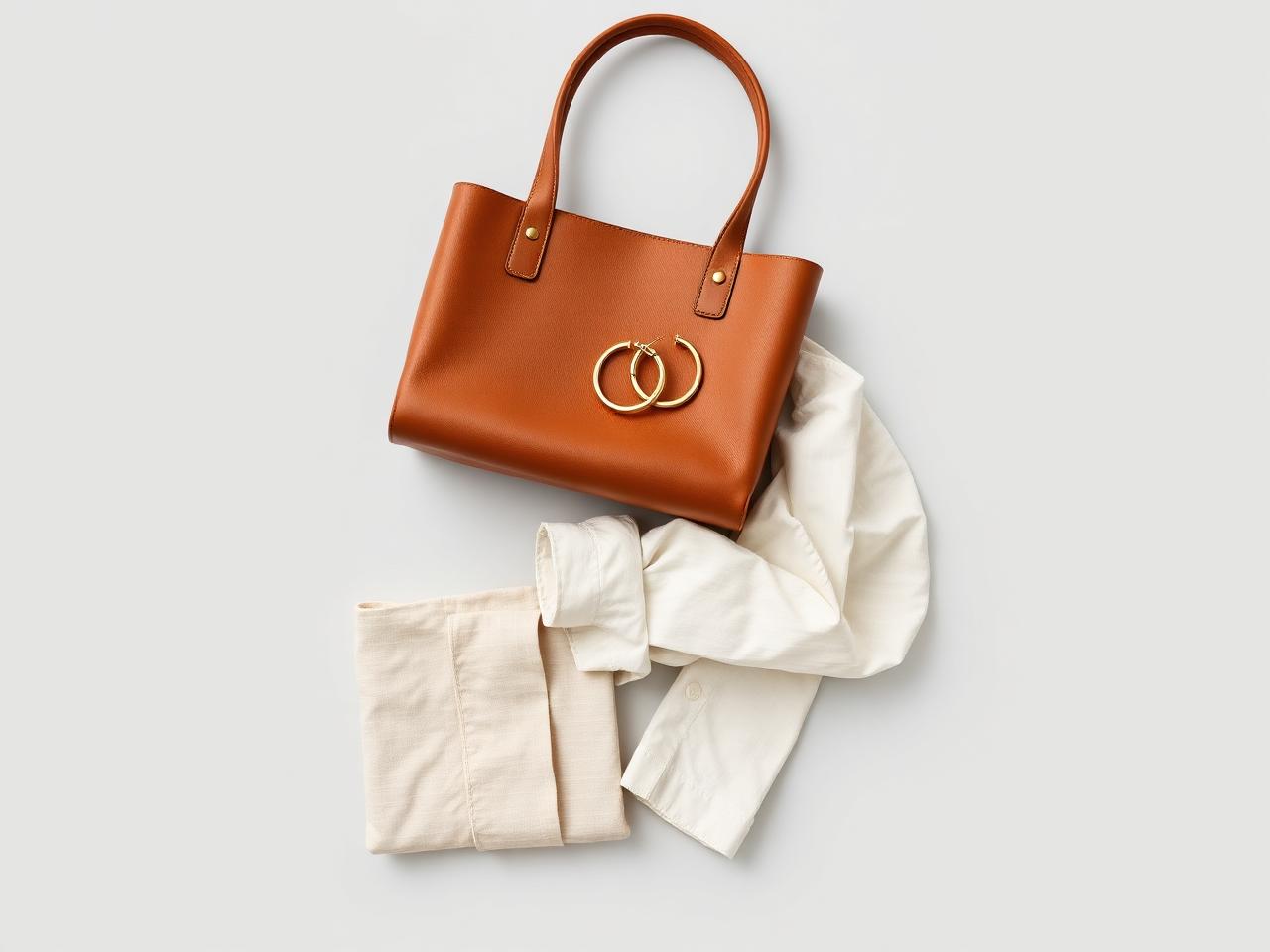
Morocco demands a specific kind of packing. The days are hot, the nights can be cool, the medinas are dusty, and the riads are surprisingly photogenic. You want clothes that cover you comfortably, shoes that can handle uneven stone, and skincare that protects against sun and dehydration without requiring a full bathroom counter. Start with the clothes. A long-sleeved linen shirt in white or sand is the most useful item you can bring. It covers your shoulders, breathes in the heat, and looks correct at dinner. Pair it with wide-leg linen trousers or a long cotton skirt. One pair of comfortable leather sandals for the day, one pair of closed-toe shoes for the medina and any camel-riding plans. A lightweight scarf serves as sun protection, a cover for mosques, and a layer when the temperature drops. For evenings, Moroccans dress well. A simple midi dress in silk or cotton, or a tailored jumpsuit, will feel appropriate in Marrakech and Fes. Jewelry travels well here — a pair of gold hoops and a cuff bracelet elevate a plain outfit without taking up space. The beauty edit is smaller than you think. A good mineral sunscreen is non-negotiable; the Moroccan sun is intense and reflective. A hydrating facial mist, a rich night cream or facial oil, and a tinted lip balm with SPF complete the face. Argan oil is, of course, local and excellent — buy a small bottle in a cooperative shop rather than the airport, where quality varies. Hair needs consideration too. The dry climate and hard water can make hair brittle. A silk scrunchie, a leave-in conditioner, and a wide-brimmed hat will do more than most styling products. If you wear your hair naturally curly or coily, bring your full moisture routine; Moroccan salons are skilled but may not stock the products you need. The packing goal is not to look like a local — you will not — but to look respectful, comfortable, and prepared. Morocco rewards modesty in dress not as a rule but as a practical kindness: your shoulders and knees will thank you under the sun, and you will feel more at ease in markets and rural areas. A final note: leave room in your suitcase. Moroccan ceramics, textiles, and argan oil are worth bringing home, and the best souvenirs do not fit in a carry-on. Pack light on the way there so you can bring the country back with you.

Pack lighter, arrive better
Advertisement · Amazon · TravelPack lighter, arrive better
Shop travel
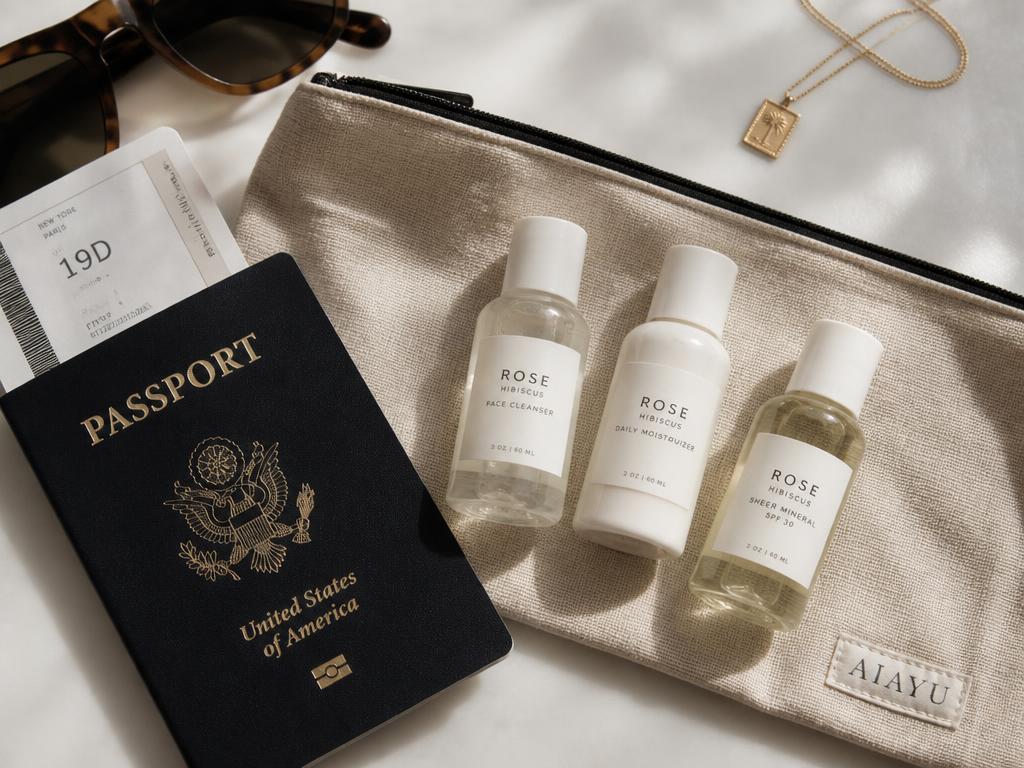
Travel skincare essentials arranged with a passport and boarding passTravel · By Dr. Aris Thorne

The Only Travel Skincare Routine You Actually Need

The skin problem most travelers complain about is not a breakout or a sunburn. It is a dull, tight, vaguely irritated face that appears somewhere around day three of a trip and lingers for a week after they get home. The cause is almost always barrier disruption: dry airplane air, unfamiliar water, inconsistent sleep, and too many new products applied at once. The fix is to simplify, not add. A travel skincare routine needs three products: a gentle cleanser, a barrier-supporting moisturizer, and a sunscreen you will actually wear. Everything else is optional, and for most people, everything else is what causes the problem. The cleanser should remove sunscreen, sweat, and pollution without leaving your face squeaky. Look for a cream or gel formula with a pH between 4.5 and 5.5. Avoid foaming cleansers that list sodium lauryl sulfate high on the label; they are common in hotel bathrooms and they are usually too aggressive for travel-stressed skin. The moisturizer is the most important step. Travel strips water from the skin faster than usual, so you need a formula that both hydrates and seals. The ideal travel moisturizer contains ceramides, cholesterol, and fatty acids in a ratio that mimics the skin barrier, plus humectants like glycerin or hyaluronic acid to pull water into the surface. A slightly thicker cream than you use at home is usually worth it. Sunscreen is non-negotiable for reasons that go beyond vacation. UV exposure is higher at altitude, near water, and in reflective environments like snow and sand. A broad-spectrum SPF 30 or higher, reapplied every two hours when you are outside, is the single most effective anti-aging and anti-pigmentation product you own. The best one is the one you will wear, so prioritize texture over claims. Application order matters. In the morning: cleanser if you need it, moisturizer, sunscreen. In the evening: cleanser, moisturizer. That is the whole routine. If your skin is very dry, add a facial oil or sleeping mask over moisturizer at night. If you are acne-prone, use a gel moisturizer and consider a salicylic acid cleanser a few nights a week. What to avoid: introducing new products on the first day of a trip. Your skin is already adapting to a new climate, water, and sleep schedule. The hotel minibar is not the moment to try a ten-step routine you saw on social media. Bring products you have already tested at home. The goal of travel skincare is not to look perfect in every photo. It is to return home with skin that feels like yours. Three products, used consistently, will get you there.

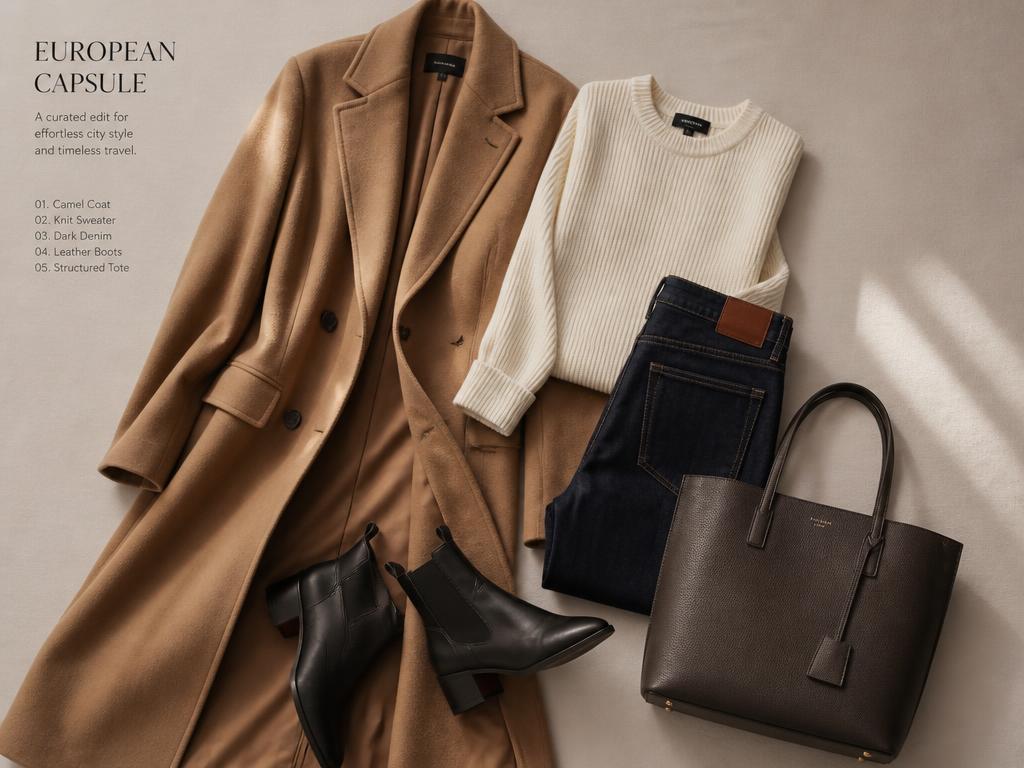
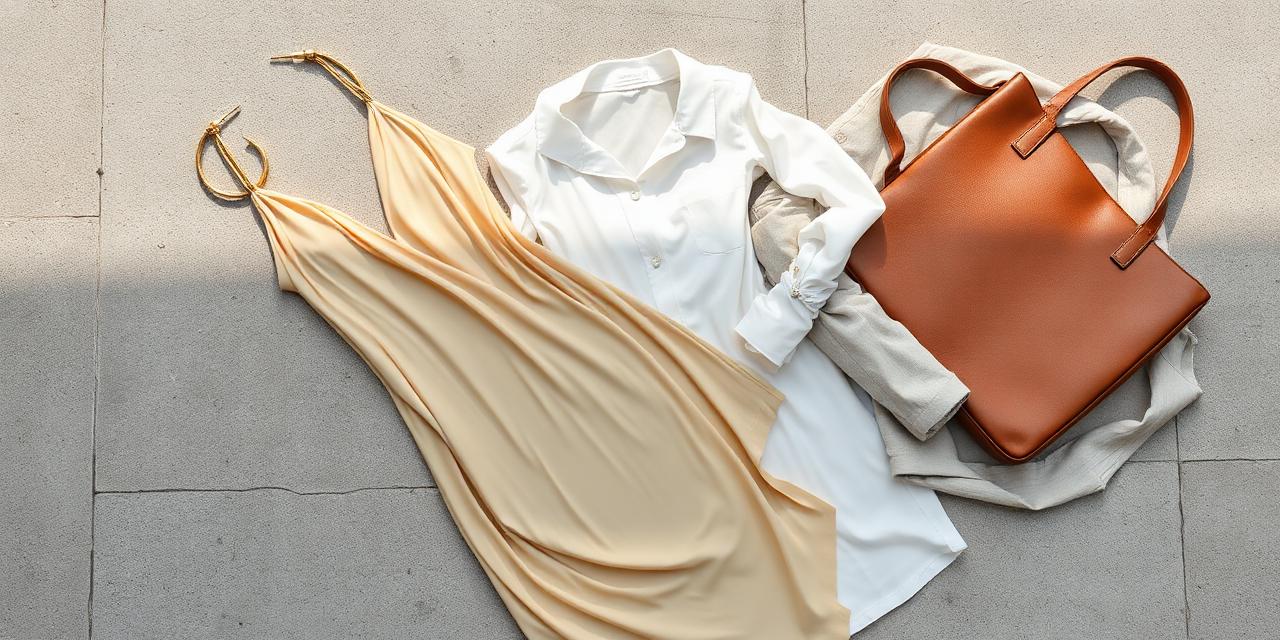
A curated capsule wardrobe for European travel arranged on a neutral backgroundStyle · By Marco Salinas

How to Build a Capsule Wardrobe for European Cities

The best-dressed travelers in Europe are not the ones with the largest suitcases. They are the ones who packed a small set of clothes that all agree with one another. A capsule wardrobe is not a constraint; it is a decision to bring only things that work in multiple combinations, so you spend less time choosing outfits and more time in museums. Start with a color story. For a European city trip in spring or autumn, the most useful palette is navy, cream, camel, charcoal, and one accent color — burgundy, olive, or rust. Every top should go with every bottom. Every layer should work over every other layer. If an item only matches one other item, leave it home. The twelve-piece foundation looks like this: one tailored coat, one blazer, two knit sweaters, two tops, two bottoms, one dress or jumpsuit, one pair of walking shoes, one pair of evening shoes, and one bag. Underwear, sleepwear, and accessories do not count toward the twelve, but keep them minimal too. The coat is the most important item. A single-breasted camel or navy wool coat that falls just above the knee will carry you through dinners, churches, and rainy walks. It should be warm enough for evening but not so heavy that you overheat in a café. The cut matters more than the label. Shoes are where most travelers fail. European cities are walked in. A pair of leather loafers or Chelsea boots with a supportive sole will outlast any trend shoe by day four. Bring one dressier pair for restaurants — a low block heel or elegant flat — and accept that you do not need options for every hypothetical dinner. Fabrics should be forgiving. Merino wool resists odor and wrinkles. Cotton poplin shirts look crisp after a steamy bathroom. Silk and linen are beautiful but high-maintenance; bring one silk item if you must, and leave the linen unless you are going to the beach. Accessories should do real work. A silk scarf adds color and warmth. A crossbody bag keeps your hands free and your belongings safe. A single piece of simple jewelry — gold hoops, a signet ring, a watch — makes the same outfit feel different on day two. The real advantage of a capsule wardrobe is not the luggage savings, though those are real. It is the mental clarity. When every item in your bag works, getting dressed takes two minutes. You look intentional. You look like you belong in the city you paid to visit.

Reading the world of style
Advertisement · Amazon · CultureReading the world of style
Shop books
Portrait of a man in sharp modern tailoring on a Seoul rooftopBeauty · By Priya Anand

The Best Korean Skincare Products for Dry Skin

Dry skin is not a cosmetic problem. It is a barrier problem. When the outermost layer of the skin loses too much water, it becomes tight, flaky, reactive, and more prone to fine lines. The Korean approach to dry skin is not to cover it with heavy creams but to rebuild the barrier with layers of hydration, then seal everything in. The first layer is a hydrating toner or essence. Unlike Western toners, which are often astringent, Korean essences are watery serums designed to add hydration and prepare the skin for what comes next. Look for ingredients like hyaluronic acid, glycerin, panthenol, and fermented extracts. Cosrx Advanced Snail 96 Mucin Power Essence is a classic for a reason: it is lightweight, deeply hydrating, and soothing on irritated skin. The second layer is a serum that supports the barrier. Products with ceramides, niacinamide, and peptides help repair the lipid layer that keeps moisture in. The Dr. Jart+ Ceramidin line and the Etude House SoonJung line are both excellent, widely available, and priced below most Western equivalents with similar ingredient lists. The final layer is a moisturizer that seals. For very dry skin, a cream with shea butter, squalane, or plant oils works better than a gel. The Belif The True Cream Moisturizing Bomb and the Laneige Water Bank Moisture Cream are two consistently reliable options. In winter or on long flights, add a sleeping mask over the top — Laneige Water Sleeping Mask and Cosrx Ultimate Nourishing Rice Overnight Spa Mask are both proven. Sunscreen is the step dry skin sufferers often skip because so many formulas are drying. Korean sunscreens solve this. Look for hybrid or chemical formulas with hydrating ingredients. Beauty of Joseon Relief Sun, Round Lab Birch Juice Moisturizing Sunscreen, and Skin1004 Hyalu-Cica Water-Fit Sun Serum are all moisturizing enough to double as a daytime layer. The routine is short: essence, serum, moisturizer, sunscreen in the morning; double cleanse, essence, serum, moisturizer at night. Add a sleeping mask two or three nights a week. Avoid foaming cleansers, alcohol-heavy toners, and over-exfoliation — the fastest way to make dry skin worse is to keep stripping it. The reason Korean skincare works for dry skin is that it treats hydration as the foundation of healthy skin rather than an afterthought. Give the routine four to six weeks and the flakiness, tightness, and reactivity usually calm down. The skin stops feeling like it is asking for help and starts feeling like it can take care of itself.

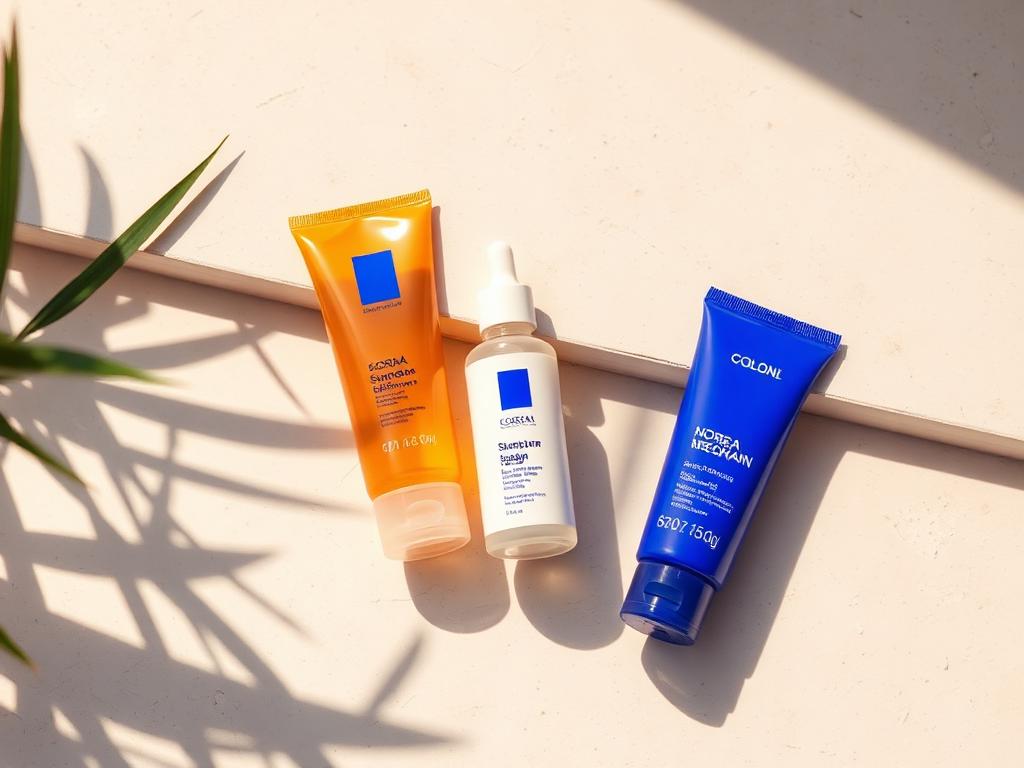
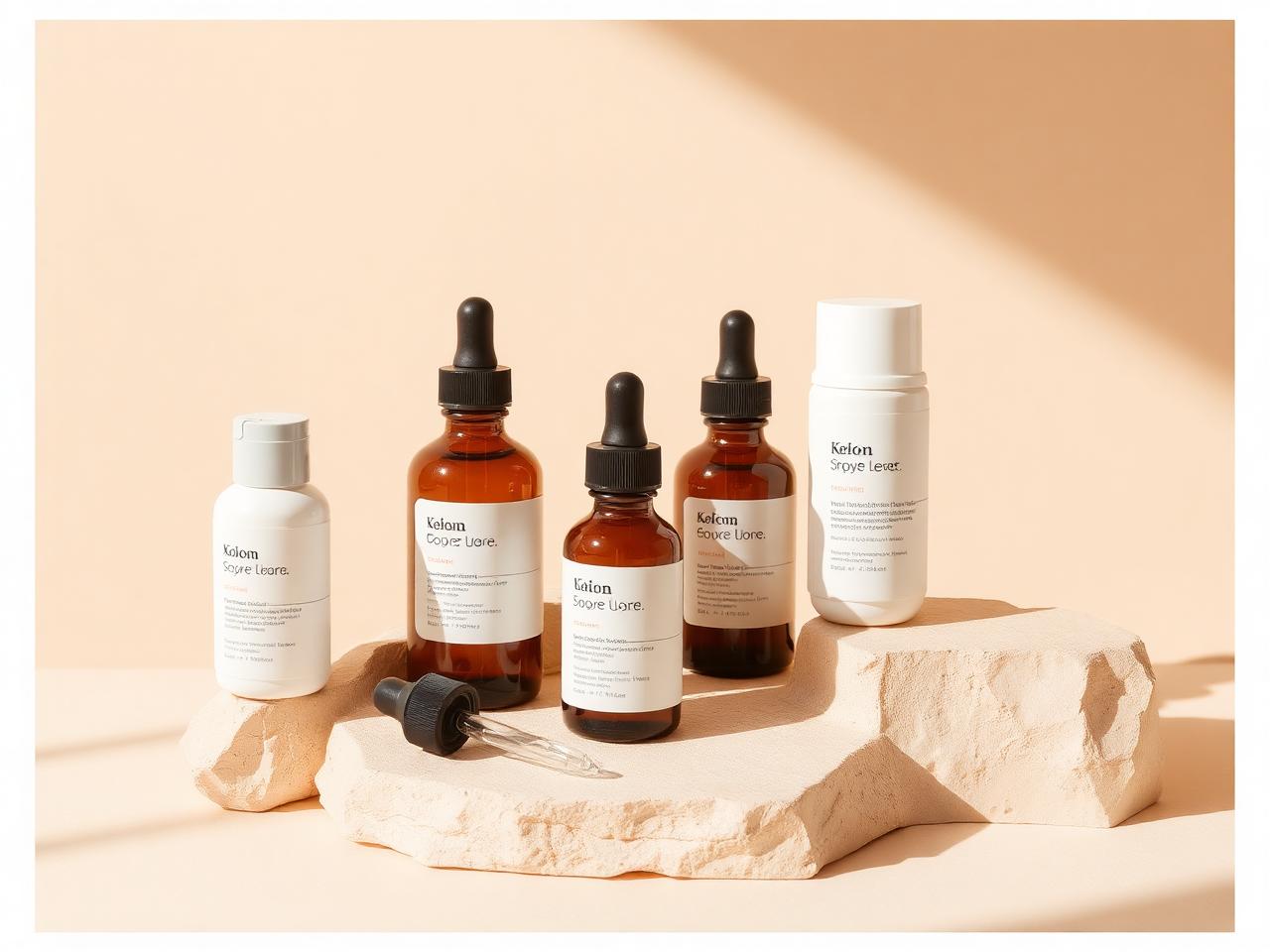
Korean sunscreen bottles arranged on a sunlit stone surfaceBeauty · By Priya Anand

The Best Korean Sunscreens, Tested Through a Full Summer

The gap between Korean and American sunscreen is not marketing. It is regulation. In the United States, sunscreen is classified as an over-the-counter drug, which means every UV filter must clear a drug-approval pathway. The practical result is that the last new filter approved for general use in the US arrived in the 1990s. In South Korea, sunscreen is regulated as a cosmetic, and Korean formulators have had access to modern filters — Tinosorb S, Tinosorb M, Uvinul A Plus — for two decades. Those filters matter for reasons that have nothing to do with brand loyalty. Older chemical filters like avobenzone degrade in sunlight and need stabilizers to keep working through an afternoon. Modern filters are photostable, cover a wider slice of the UVA spectrum, and — this is the part people actually notice — feel like nothing. There is no white cast, no greasy film, no stinging when it migrates toward the eyes. A sunscreen you enjoy applying is a sunscreen you reapply, and reapplication is where most sun protection actually fails. A word on the labels. Korean sunscreens carry both an SPF number and a PA rating. SPF measures UVB protection, the wavelength responsible for burning. PA, expressed in plus signs, measures UVA protection — the wavelength responsible for photoaging and much of the pigment change people spend serious money trying to reverse. PA++++ is the top of the scale, and it is common on Korean shelves and rare on American ones. We wore these six through a summer of commuting, hiking, and a week on the Andalusian coast. Each one was applied at the recommended two-finger quantity, reapplied every two to three hours outdoors, and evaluated on finish, pilling under makeup, eye sting, and how it behaved after sweating. Beauty of Joseon Relief Sun: Rice + Probiotics SPF 50+ PA++++ remains the one to beat. It is an organic filter formula that finishes like a light moisturizer, sits under foundation without pilling, and costs a fraction of comparable Western essences. If you buy one bottle, buy this one. Round Lab Birch Juice Moisturizing Sunscreen SPF 50+ PA++++ is the choice for dry or winter skin. It is heavier than the Joseon, closer to a proper cream, and it holds hydration through a cold, dry day without ever going tacky. COSRX Aloe Soothing Sun Cream SPF 50 PA+++ is the reactive-skin pick. Minimal fragrance, aloe-forward, forgiving on skin that is mid-retinoid or post-procedure. Slightly more visible on deeper skin tones than the others here. Missha All Around Safe Block Essence Sun SPF 45 PA+++ is the lightest formula in the group — genuinely watery, absorbs in seconds, and the best option for oily skin or humid climates where anything richer slides off by noon. Innisfree Daily UV Defense Sunscreen SPF 36 PA+++ is the everyday, low-commitment bottle. Lower SPF, but a pleasant matte finish and a price that makes generous application painless, which matters more than the number on the tube. Etude House Sunprise Mild Airy Finish SPF 50+ PA+++ finishes drier than the rest and works as a makeup base on its own. It is the one to pack if you hate the feeling of sunscreen entirely. Two cautions. First, buy from authorized retailers; grey-market sunscreen is a real problem and heat-damaged stock does not protect properly. Second, none of these are FDA-approved products, which means they are legally imported for personal use rather than sold as US drugs. That distinction is regulatory, not a statement about efficacy — Korean sunscreens are tested to ISO standards used across Europe and Asia. The broader point is worth sitting with. Sun protection is the single highest-return step in any skincare routine, ahead of every serum and every acid. The reason most people underapply is that most sunscreen is unpleasant. Korea solved the unpleasantness problem twenty years ago. The rest of us are still catching up.

Slip dresses & soft tailoring
Advertisement · Amazon · FashionSlip dresses & soft tailoring
Shop fashion
A bowl of cloudy rice water beside rice grains and a wooden combBeauty · By Mei Tanaka

Rice Water for Hair: The Science Behind the Tradition

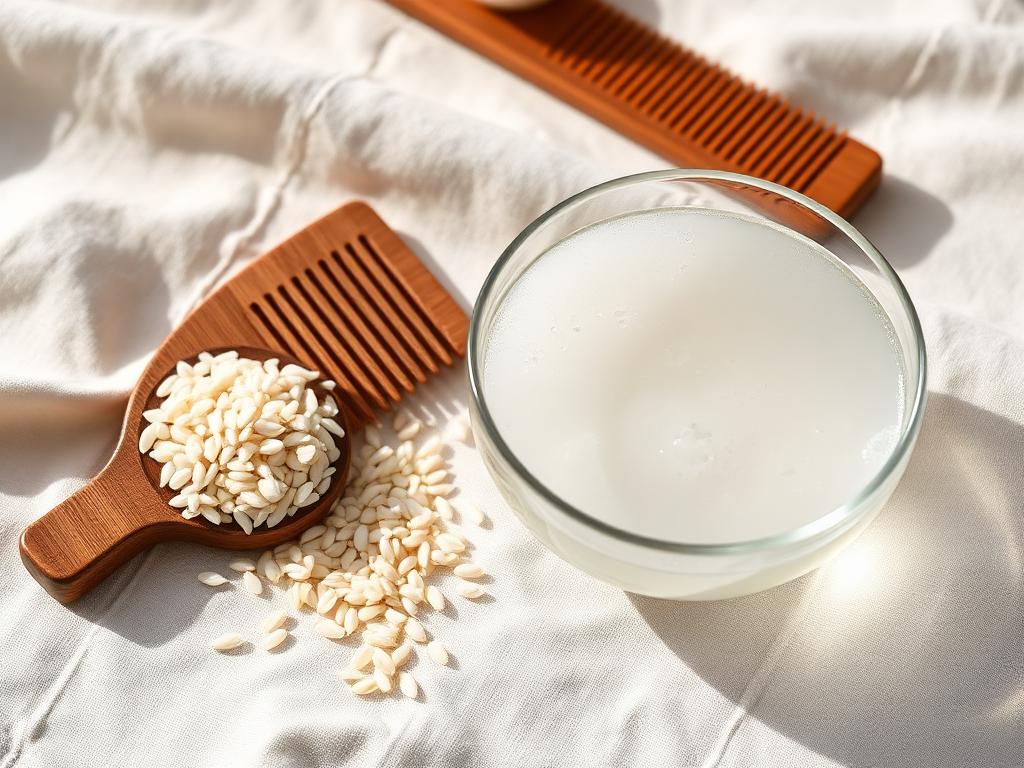
In the Japanese imperial court of the Heian period, court women wore their hair to the floor and washed it in yu-su-ru, the cloudy water left over from rinsing rice. A thousand years later, in the village of Huangluo in Guangxi province, the Yao women are known internationally for hair that reaches past their knees and stays dark into their sixties. They wash it in fermented rice water. The practice is old enough that it predates any of the chemistry used to explain it. The chemistry, though, is real. Rice-rinse water carries starch, small amounts of protein, B vitamins, and inositol — a carbohydrate that has been shown in cosmetic-science testing to penetrate damaged hair and remain in the fiber even after rinsing. That residual deposit is what people are describing when they say their hair feels thicker after a rice-water rinse. It is not growth. It is a film, and film is exactly what damaged cuticles need. The most-cited work here is a 2010 study in the Journal of Cosmetic Science that measured the effect of rice-water treatment on hair-fiber friction. Treated fibers showed measurably reduced surface friction and improved elasticity. Less friction means less mechanical damage during brushing and styling, and mechanical damage — not follicle failure — is what causes most breakage-driven length loss. Hair that breaks less looks like hair that grows faster, even though the follicle is doing exactly what it always did. Fermentation changes the picture slightly. Letting rice water sit for twenty-four to forty-eight hours drops the pH toward the acidic range that hair prefers, roughly 4.5 to 5.5, and generates additional metabolites, including trace antioxidants. Acidic rinses flatten the cuticle, which is why fermented rice water tends to produce more shine than the fresh version. It also smells considerably worse. This is the trade. How to make it: rinse half a cup of uncooked rice, cover with two cups of water, swirl, and let it stand thirty minutes for the fresh version or a day at room temperature for the fermented one. Strain. Apply to clean, damp hair from mid-length to ends, leave for five to twenty minutes, and rinse thoroughly. Once a week is plenty. The important caveat is protein overload. Rice water is protein-adjacent, and hair that receives too much protein without matching moisture becomes stiff, straw-like, and brittle — the opposite of the intended result. Fine or low-porosity hair is especially vulnerable. If your hair feels crunchy after two or three treatments, stop, deep-condition, and cut the frequency in half. For anyone unwilling to keep a jar of fermenting rice on the counter, the commercial category has matured considerably. Korean and Japanese brands have spent the last decade formulating rice-ferment filtrate into shampoos, masks, and leave-ins at controlled concentrations, with the pH balanced and the smell handled. The results are less dramatic than the folklore promises and more consistent than a kitchen batch. What the tradition gets right, and what the industry took a thousand years to catch up to, is the underlying premise: hair care is mostly damage prevention. The Yao women are not doing anything to their follicles. They are protecting fiber that has been growing, undisturbed, for decades. That is the whole technique.

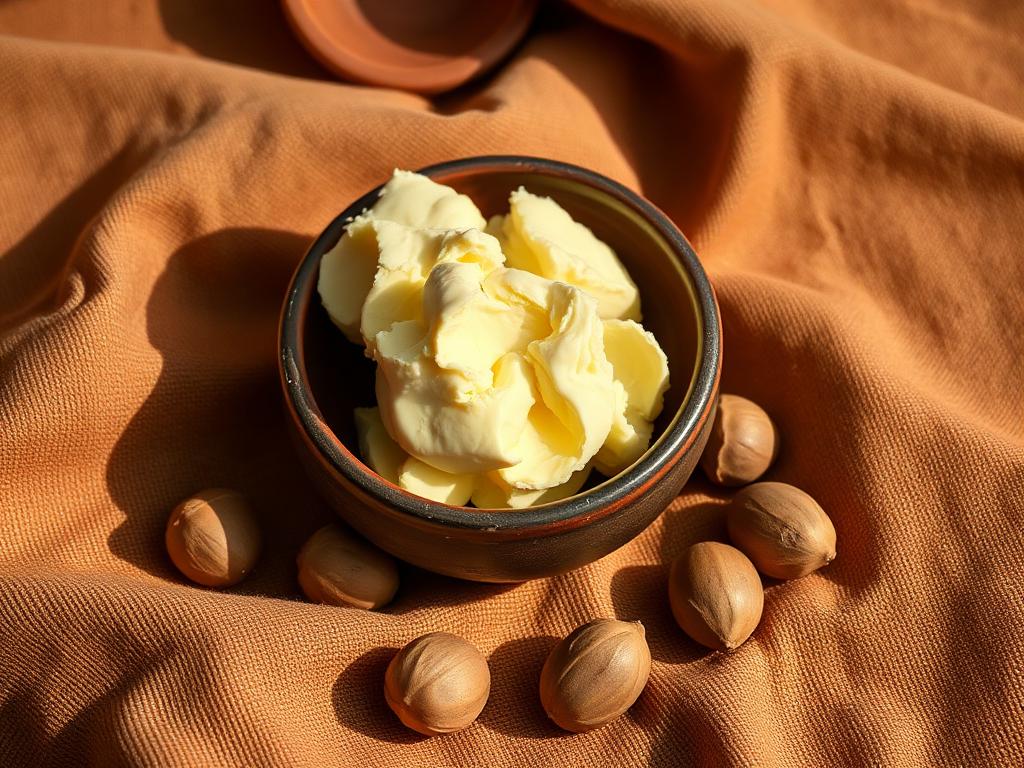
Raw unrefined shea butter in a ceramic bowl with shea nuts on earth-toned clothBeauty · By Amara Okonkwo

Shea Butter for Skin: From West Africa to Your Vanity

Shea butter comes from a tree that refuses to be farmed. Vitellaria paradoxa grows across a belt of savanna running from Senegal to Ethiopia, takes fifteen to twenty years to bear fruit, and has resisted every serious attempt at plantation cultivation. The nuts are gathered from wild and semi-wild trees, almost entirely by women, in an industry that supports an estimated sixteen million households across West Africa. The trade name for the work is not marketing invention: shea is genuinely called women's gold, and the income from it is one of the few cash streams in the region that flows directly to women rather than through male household heads. The processing is physically brutal and chemically elegant. Nuts are collected, boiled, sun-dried, cracked, roasted, ground into paste, then kneaded with water until the fat separates and rises. What floats off is unrefined shea butter — ivory to pale yellow, smelling faintly of smoke and nuts, and containing the full complement of what makes shea worth buying in the first place. That complement is the part the industrial supply chain removes. Unrefined shea carries roughly 3 to 11 percent unsaponifiables — triterpene alcohols, cinnamic acid esters, tocopherols, and phytosterols. For comparison, most vegetable oils sit under 2 percent. Those compounds are what give shea its anti-inflammatory behavior and its unusual ability to support the skin barrier rather than merely sit on top of it. Refined shea — the white, odorless, shelf-stable version blended into most mass-market lotions — has been bleached and deodorized, and the process strips much of that fraction out. What remains is a decent occlusive fat. What is lost is the medicine. For dry skin, eczema-prone skin, and post-inflammatory hyperpigmentation, unrefined shea is one of the better-supported traditional ingredients in cosmetic literature. Small clinical work has shown improvement in eczema symptoms comparable to petrolatum-based controls, with better patient acceptance. It is also comedogenic enough that most people should keep it below the jawline, or use it only on dry patches if they are acne-prone. How to use it well: warm a pea-sized amount between the palms until it melts, then press — do not rub — into skin that is still damp from the shower. Shea is an occlusive, which means its job is to trap water that is already there, not to supply it. On dry hands, elbows, and heels it works alone. On the face, most people do better layering it over a hydrating serum. Sourcing is where the ethics live. Look for producers that name their cooperative, disclose their country of origin, and participate in the Global Shea Alliance or a comparable fair-trade structure. Ghana, Burkina Faso, and Nigeria account for the bulk of global supply, and the difference between a cooperative that pays its collectors properly and an aggregator that does not is invisible on the label unless the brand chooses to make it visible. The luxury market has understood shea's value for decades — L'Occitane built a substantial portion of its business on Burkinabè shea and has bought from the same women's cooperatives since the 1980s. What is changing now is that West African and diaspora-founded brands are capturing more of the margin themselves, selling unrefined product directly rather than as an ingredient line item in someone else's formula. That shift is the story worth following. The butter has always been good. The question was who got paid for it.

The K-beauty shelf, restocked
Advertisement · Amazon · BeautyThe K-beauty shelf, restocked
Shop skincare
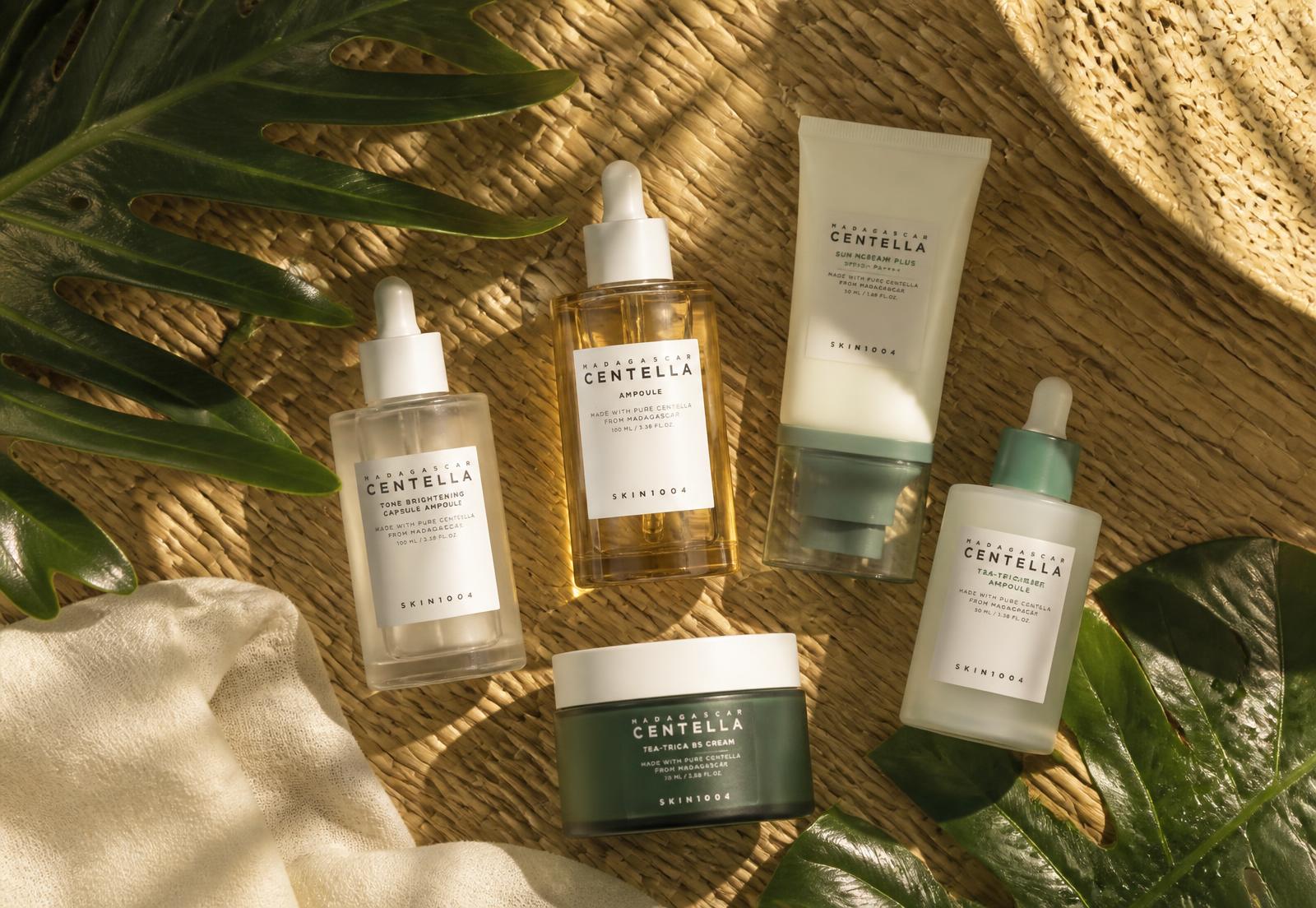
Korean skincare bottles arranged on a woven mat with tropical leaves in warm lightBeauty · By Marisol Diaz

Where to Buy Korean Skincare in the Philippines: A Shopee Shopper's Guide

Manila in April is a stress test for skincare. The heat sits at thirty-four degrees, the humidity refuses to drop below seventy percent, and anything heavy you put on your face at eight in the morning has slid off by noon. This is exactly why Korean skincare took hold in the Philippines faster than almost anywhere else outside Korea itself: the formulas were built for a climate with real summers, and the philosophy — layers of light textures rather than one thick cream — happens to be the only thing that survives a jeepney commute. The question most Filipino readers actually have is not whether K-beauty works. It is where to buy it without either paying a two-hundred-percent mall markup or ending up with a counterfeit bottle. In practice, the answer for most people is Shopee — with rules. **Why Shopee, and why carefully** Shopee PH is where the volume is. Most major Korean brands now run official flagship stores on the platform, which means the same stock that would sit in a Seoul Olive Young shelf arrives with local pricing, free-shipping vouchers, and the 9.9 and 11.11 sale cycles that make a fifteen-dollar sunscreen cost closer to seven hundred pesos. The catch is that the same platform hosts resellers of wildly varying quality, and skincare is one of the most counterfeited categories in Southeast Asia. Three habits protect you. First, buy from stores carrying the official 'Shopee Mall' or brand-verified badge — the flagship store, not a general beauty reseller. Second, check the batch code and expiry in the listing photos; legitimate sellers post them, grey-market ones rarely do. Third, be suspicious of a price that is less than half of the usual range. Sunscreen especially: a fake SPF is not a cosmetic problem, it is a burn. **The Joseon-style glow, adapted for tropical skin** The routine everyone means when they say 'glass skin' is not complicated, and it does not require ten steps in this climate. A gentle low-pH cleanser at night. A hydrating toner or essence pressed in with the hands rather than a cotton pad. One lightweight serum — niacinamide for tone, or a rice or ginseng ferment if you want the traditional Korean-herbal direction. A gel-textured moisturizer. And in the morning, sunscreen, generously, every single day. That last step matters more here than almost anywhere. The Philippines sits close to the equator with year-round high UV index — often 11 or above by late morning. Sun protection is not a summer accessory; it is the single highest-return product in the entire routine, and it is why the most popular K-beauty item on Shopee PH is, consistently, a sunscreen. **What actually works in humidity** Rich, occlusive Western moisturizers tend to fail here. So do heavy mineral sunscreens that leave a white cast and pill under sweat. The Korean chemical and hybrid sunscreens that dominate PH shopping carts win because they behave like an essence: they absorb in seconds, sit invisibly under makeup, and can be reapplied at two in the afternoon without turning the face into a slick. For the glow layer, ampoules built on fermented rice or ginseng extract have a genuine cultural pedigree — these are ingredients used in Korean skin preparation long before the modern industry existed — and they deliver hydration without weight. Snail mucin remains popular for the same reason. Centella, or cica, is the go-to for anyone dealing with heat rash, acne, or the sensitivity that comes from too much sun. **Budgeting like a local** The smartest Shopee shoppers in the Philippines do three things: they stack platform vouchers with the store's own discount, they wait for double-digit date sales for the expensive items, and they buy sunscreen in multiples because it is the one thing they will absolutely finish. A full working routine — cleanser, essence, serum, moisturizer, sunscreen — is realistically achievable for under two thousand five hundred pesos if you time it right, which is roughly what one department-store moisturizer costs on its own. **One honest caveat** No product here will change your skin in a week, and any listing that promises whitening in seven days is selling something you should not put on your face. Korean skincare works because it is consistent and gentle, not because it is dramatic. Give a routine eight to twelve weeks, change one variable at a time, and wear the sunscreen. That is the entire secret, and it is the same in Manila as it is in Seoul.

Shop the story

Disclosure: This article contains affiliate links. We may earn a commission if you purchase through them — at no extra cost to you.

The Weekly Dispatch

Curated international editorial direct to your inbox. No noise, just vision.

As an Amazon Associate, I earn from qualifying purchases.