Category

Fashion

The latest international editorial on fashion, from the global desks of Véronique.

5 Stories

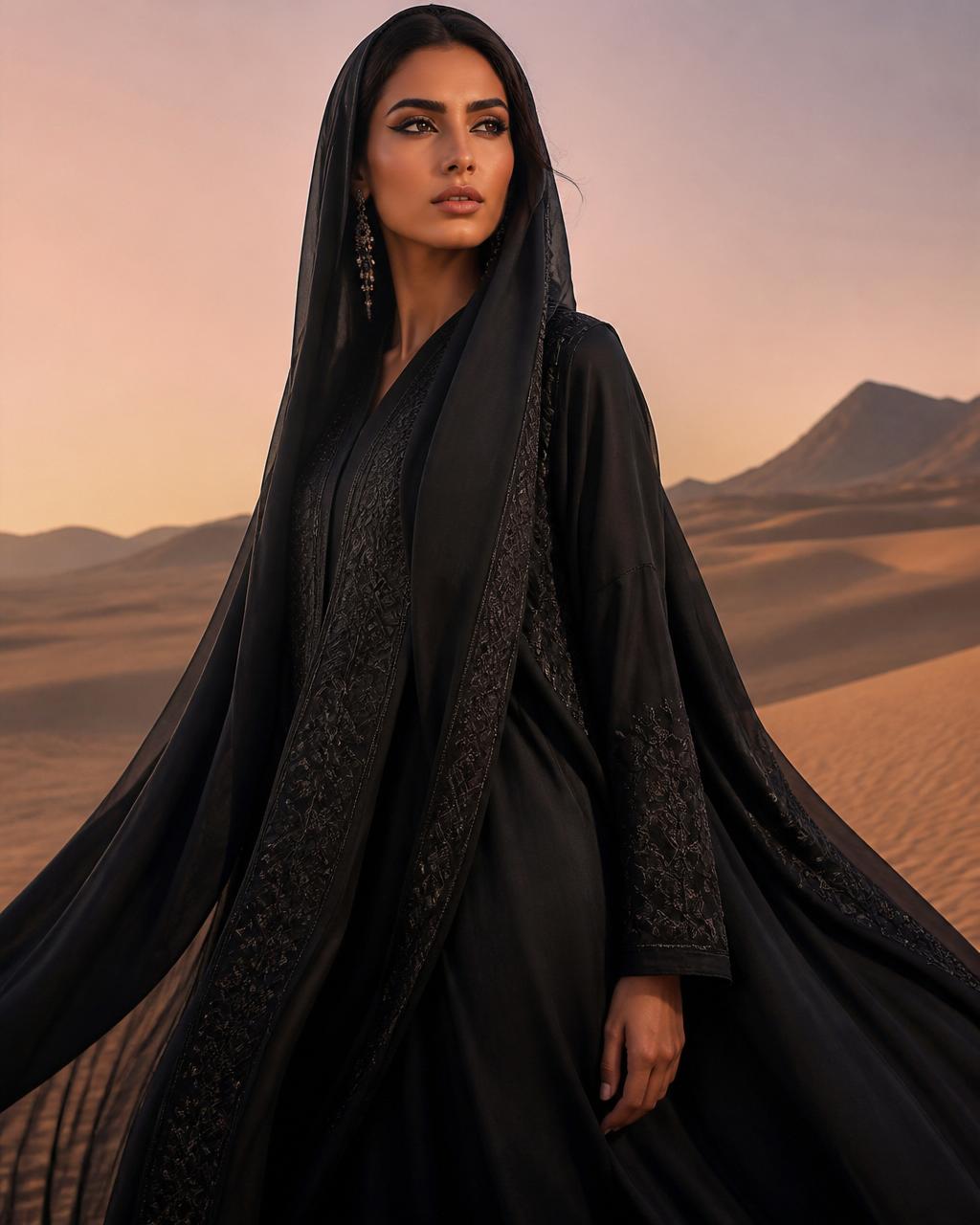
Editorial portrait of a woman in an embroidered black abaya at desert duskFashion · By Layla Al-Mansouri

Desert Couture: The Quiet Power of the New Arabian Atelier

The first thing you notice in a Riyadh atelier in 2026 is how quiet it is. Not the polite quiet of a European maison, where silence is a performance of seriousness, but a working quiet — twenty women at twenty stations, pattern paper rustling, a sewing machine going on and off, somebody at the back negotiating with a beadwork supplier in three languages at once. The clothes coming out of these rooms are some of the most carefully constructed garments being made anywhere on earth right now, and almost no one outside the region is talking about them. This is starting to change. The last three seasons have seen a small but unmistakable shift: Gulf designers showing in Paris and Milan not as a curiosity but as competitors, stocked at Bergdorf and Matches, dressed on red carpets without the usual disclaimers about 'modest fashion.' The category itself is dissolving. What is replacing it is something closer to the original meaning of couture — clothes made by hand, in small numbers, for women who know exactly what they want and have the resources to commission it. The abaya is the form that most outsiders fixate on, and it is genuinely worth fixating on. Stripped of its associations, it is one of the cleanest silhouettes in fashion: a long, fluid garment that falls from the shoulders, draws no attention to the waist, and can be cut from almost any fabric. Saudi designers in particular have spent the last decade treating it the way Yohji Yamamoto treated the suit — as an architectural problem to be solved over and over. The results range from minimalist black crepe with a single bias seam, to hand-painted silk organza, to structured wool versions that look, frankly, like coats Phoebe Philo would have designed in her Céline years. What is harder to convey in photographs is the embroidery. Gulf ateliers have inherited and refined a tradition of metallic-thread work — tilli, badla, and contemporary variants — that requires a level of dexterity now rarely found outside two or three workshops in Paris and Mumbai. A single sleeve panel can take three weeks. The pieces are not cheap. They are also not trying to be. The parallel story is in beauty. Arabian perfumery is older than most of what is sold as 'French' perfumery — oud, rose, amber, and musk have been blended in the region for over a thousand years — and the houses founded in Dubai and Riyadh in the last decade are now exporting fragrances that are quietly displacing legacy European brands on niche perfumery shelves from Tokyo to Toronto. The bottles are heavier. The concentrations are higher. The scent stays on a wool coat for three days. The women running these businesses tend to be in their thirties and forties, often Western-educated, and almost universally uninterested in the question of whether their work is 'empowering.' They consider the framing condescending. They are designers. They run companies. They employ artisans. They ship internationally. The work speaks, and the work is excellent. It is also, finally, being heard.
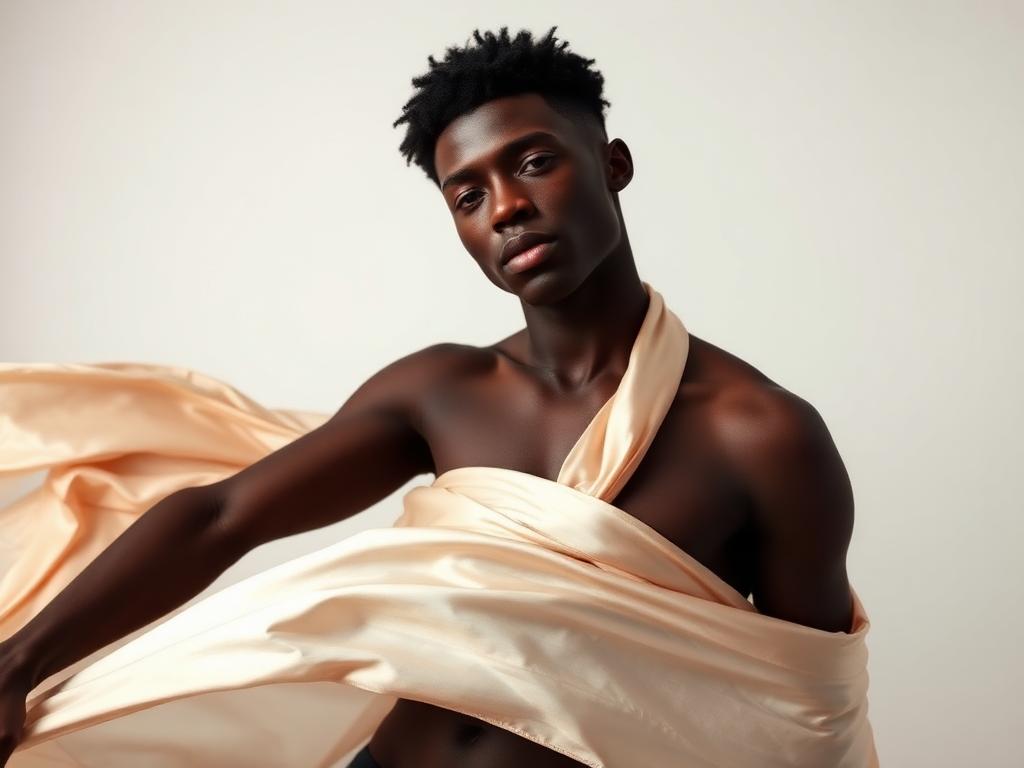

A model in a flowing silk shirtFashion · By Marco Salinas

Silk as Armor: The Soft Power of Modern Masculinity

For most of the twentieth century, silk was coded feminine in the Western wardrobe. It lined the interior of a man's suit — a private luxury, invisible to the street — but it rarely appeared on the outside of his body without an apology. That coding is finally coming apart, and the shift is one of the more interesting quiet stories in menswear right now. Walk through the men's shows in Milan this season and silk is everywhere. Not as an accent, not as a lining, but as the primary material of the collection. Zegna sent out silk-cotton overshirts in dusty terracotta and stone. Prada opened with a raw silk trench that skimmed the body without clinging to it. Giorgio Armani, who has been arguing this case since 1980, showed a whole passage of unlined silk jackets in taupe and slate that looked less like tailoring and more like weather — something you put on to move through the world in. Seoul is running the same experiment from a different angle. The K-menswear designers coming out of Hongdae and Seongsu are treating silk with a technical eye: silk-linen blends engineered to hold a shoulder line, silk twills bonded to nylon for weight, silk crepes cut into boxy, dropped-shoulder shirts that read more like sculpture than clothing. Worn open over a fine-gauge tee, these pieces do something a T-shirt cannot: they occupy space around the body without constricting it. That is a specific kind of power, and men are noticing. The cultural shift underneath the material shift is worth naming. A decade of hard tailoring, gymwear, and 'quiet luxury' minimalism trained a whole generation of men to associate power with restriction — the tight jacket, the technical fabric, the compressed silhouette. Silk moves in the opposite direction. It insists that softness, fluidity, and drape are not concessions but sources of authority. The people wearing it right now — musicians in Seoul, chefs in Copenhagen, gallerists in Mexico City — are not soft in any meaningful sense. They are simply refusing the old equation. The production story is quieter but just as important. Silk is one of the few luxury textiles whose supply chain has genuinely improved in the last decade. Small mills in Como, Suzhou, and Bengaluru are producing silk with lower water use, better dye recovery, and traceable sericulture. The material that shows up on the runway now is closer to the material a nineteenth-century tailor would recognize than anything produced in the polyester-heavy years of the early 2000s. What all of this adds up to is a small correction. Silk was always a technical marvel — light, strong, temperature-regulating, capable of holding both structure and drape. The last century simply assigned it to the wrong half of the wardrobe. The current generation of designers, and the men buying their work, are quietly moving it back to where it belongs: on the outside, in the light, worn without qualification. Call it soft power if you want. The clothes themselves do not need the phrase.

Pack lighter, arrive better
Advertisement · Amazon · TravelPack lighter, arrive better
Shop travel
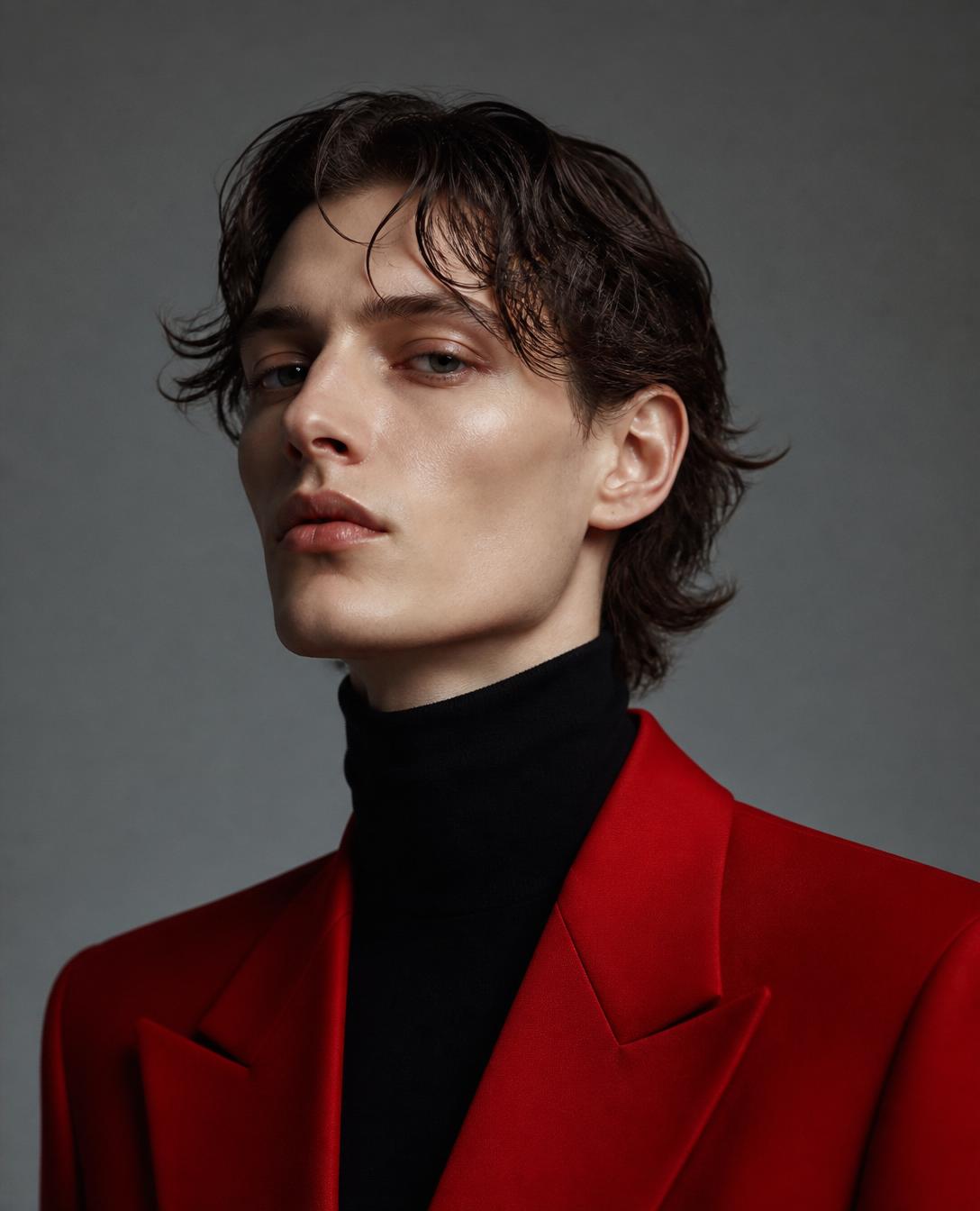
Cover story portrait for The Identity IssueFashion · By Julian Thorne

Beyond the Binary: The New Architecture of Form

The Identity Issue began with a simple editorial brief: send twelve photographers to twelve cities and ask each of them to document the people in their local fashion community whose work has changed the way clothes are cut, worn, and photographed. We assumed we would come back with twelve different stories. What we got instead was one story told twelve different ways. The story is this: the binary that structured Western fashion for the last century and a half — men's wear on this side of the room, women's wear on the other, clear rules about who wears what and how — has effectively collapsed as a design constraint. The collapse is not an ideological project. It is a practical fact. The designers doing the most interesting work right now are building garments from silhouette and body outward, not from category inward. The distinction between men's and women's is often a marketing decision made after the pattern is cut, if it is made at all. We saw it most clearly in Tokyo, where the Comme des Garçons alumni network has produced a whole subgeneration of designers whose collections do not label the runway looks with gender. We saw it again in Mexico City, where a young Oaxacan-Mexico City design partnership is cutting oversized huipiles and structured trousers for the same body, in the same show, without commentary. Berlin's underground tailoring scene has been doing this quietly for a decade. Lagos and Johannesburg arrived at it independently. Seoul is producing what may be the most technically sophisticated genderless tailoring in the world right now, and it is being bought by customers of every gender identity without anyone needing to explain the concept. The photography followed the clothes. Elena Rossi, who shot the cover story and coordinated the international portfolio, made a specific decision early: no styling that read the subjects for the camera. What the subject was wearing that day, in the light that was available, in the pose they naturally held. The resulting portraits — sixty-two of them across the issue — do something that fashion photography rarely does. They let the person, not the garment, be the primary subject. The writing is doing similar work. The essays commissioned for this issue — from a Karachi-based critic, a Nairobi novelist, a Brooklyn poet, a Melbourne dressmaker — treat identity not as a trend cycle but as the substrate of every design decision. None of the writers were briefed to be affirmative or celebratory. They were asked to be honest, and the honesty is what gives the issue its weight. What the portfolio adds up to, we think, is a document of a specific moment. Fashion is not becoming more inclusive as a favor to anyone. It is becoming more accurate. The people who make clothes, the people who wear clothes, and the people who photograph clothes have always been more various than the industry's marketing categories allowed for. The categories are catching up. About time. The rest of the issue — twelve portfolios, four long essays, and one very good interview with a designer who asked not to be named on the cover — is where the argument lives. The cover is only the invitation.

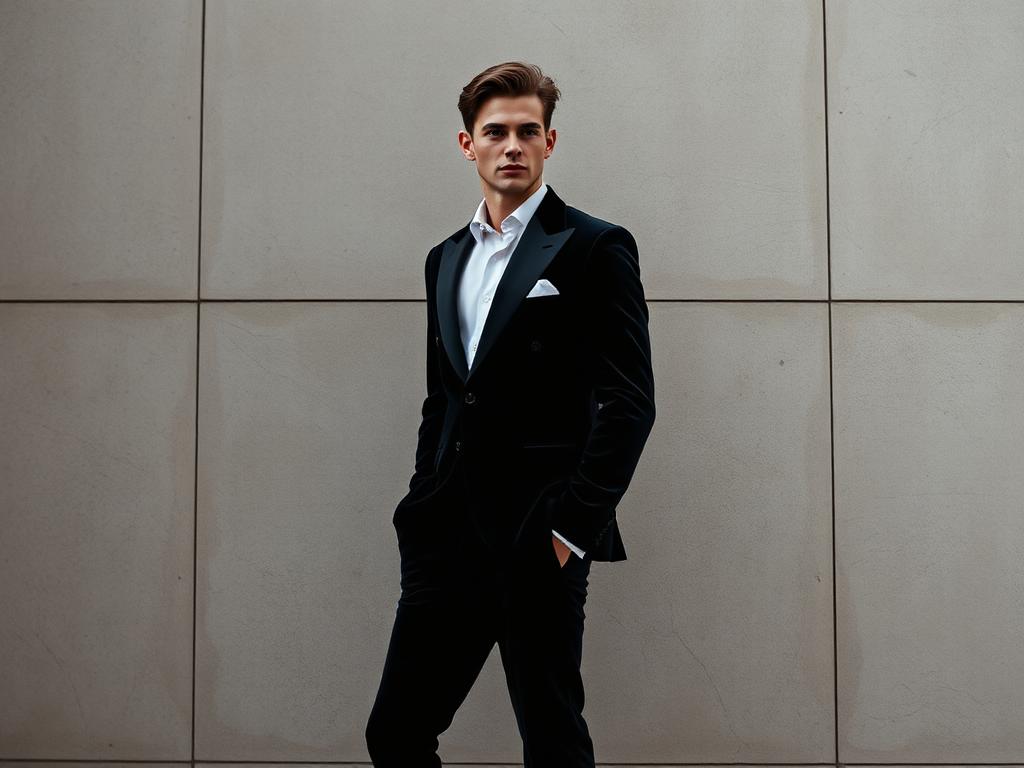
A tailored velvet jacket in autumn lightFashion · By Marco Salinas

Velvet & Vigor: The Men's Autumn Resurgence

Menswear is having a texture moment, and it has been a long time coming. After the better part of a decade in which men were told that the appropriate wardrobe was a variation on the same theme — technical outerwear, minimal knits, sneakers in three shades of white — the autumn runways from London to New York to Milan have quietly returned to the materials that built the modern men's wardrobe in the first place. Velvet. Corduroy. Brushed wool. Cashmere with the actual weight of cashmere. Suede that looks like something an animal wore first. The pivot is not nostalgic. The designers driving it are, for the most part, in their thirties, and they are treating heritage materials with a modern eye. The velvet jacket coming out of a London tailor's atelier this season is cut with a dropped shoulder and a slightly boxier chest than a 1970s equivalent. The corduroy trouser has moved to a wider leg with a flat front and no break. The brushed wool overcoat, in tobacco or forest green or a specific shade of oxblood that looks correct only under overcast light, is being cut long enough to actually keep a person warm in a real winter. Color is doing serious work. The palette for autumn 2026 has resolved into a small, unusually confident group: deep burgundy, forest green, tobacco brown, ink navy, chalk white, and a warm neutral gray that reads almost taupe in certain light. Black is present but no longer default. The result is a wardrobe that looks composed without looking corporate, and photographs well in the kind of low autumn sunlight that turns everything in New York and Milan the color of honey between four and five in the afternoon. The three pieces we would build a season around are unspectacular in isolation and transformative together. First: a single-breasted velvet jacket in a deep, warm color — burgundy or forest green — cut with a soft shoulder and worn with a plain cotton shirt open at the collar. Second: a wide-leg corduroy trouser in tobacco or chocolate, high-rise, with enough weight to hold a crease. Third: a brushed wool overcoat in oxblood or ink navy, cut to just below the knee, cut generously enough to layer over a jacket without pulling at the shoulders. Any two of these three, worn together, produce a look that would have read as slightly overdressed five years ago and now reads simply as considered. The underlying story is a return to craftsmanship as visible value. The mills producing this generation of fabrics — in Biella, Yorkshire, and increasingly Suzhou — are running the same machinery that produced the best menswear of the last century, and the results are the same. A well-cut velvet jacket from a decent atelier will outlast the trend cycle by twenty years. That is what the price is for. That is also what has been missing from menswear for most of the last decade. Call it a resurgence if you like. It is really just a return to the idea that clothes are made of something. The something is finally being noticed again.

Reading the world of style
Advertisement · Amazon · CultureReading the world of style
Shop books
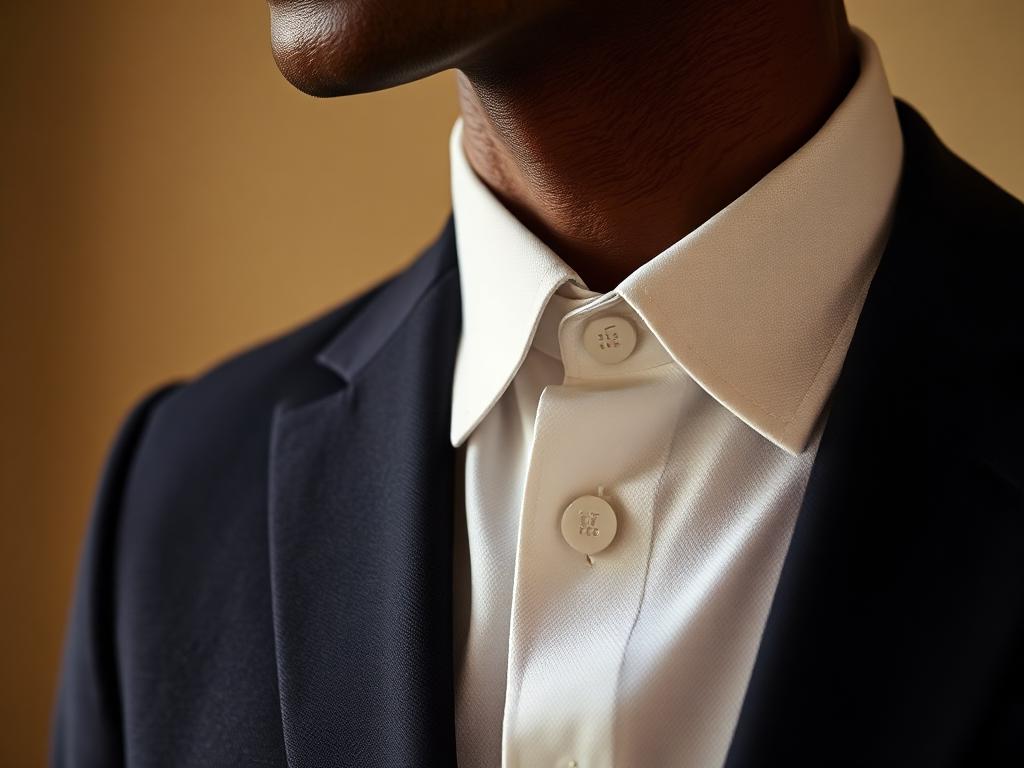
Close-up of a bespoke suit collarFashion · By Soo-Jin Park

Tailoring for Every Body

A good suit is architecture you wear. Everything that matters about tailoring — how the shoulder sits, how the chest breathes, how the trouser breaks over the shoe, how the whole garment moves when the person inside it walks — is the result of decisions made months before the customer ever puts it on. For most of the last century, those decisions were being made for a very narrow set of bodies. That is quietly, structurally, changing. We spent six weeks visiting tailors in Naples, London, Hong Kong, Seoul, Lagos, and Mexico City for this piece. What we found was a generational shift happening simultaneously in ateliers that have almost nothing else in common. The younger tailors — most of them trained by masters in the traditional way, most of them now running their own workshops — are expanding their basic pattern blocks. Where a Neapolitan shop in 1985 might have worked from three or four standard chest shapes and adjusted from there, the same shop in 2026 is likely to hold twelve or fifteen, cut for a genuinely wider range of body types. The technical change underneath this is real. Historically, a tailor working on a body outside the standard block had to solve the problem by adding fabric — letting out seams, adding gussets, compromising on the intended line of the jacket. The new generation is more likely to redraft the block itself, which produces a jacket that fits properly rather than one that has been adjusted to accommodate a mismatch. The difference is visible on the body. A jacket cut from the correct block sits still on the shoulders. It does not pull, gap, or bunch. It looks like it was made for the person, because it was. Hong Kong is doing some of the most interesting work in this direction, largely because the Hong Kong tailoring tradition never developed the rigid European hierarchy around what a 'correct' male body was supposed to look like. Ateliers in Central and Sheung Wan have been cutting for a wider range of physiques for decades, and the current generation is exporting that flexibility to their international clientele. Naples is following, more slowly, but the shift is real: several of the historic Neapolitan houses have expanded their blocks in the last three years specifically to accommodate customers whose bodies do not conform to the mid-twentieth-century Italian ideal. Seoul is running a parallel experiment in menswear tailoring cut for women, and in womenswear tailoring cut for men, without ceremony. The Korean tailors we visited did not want to make a philosophical point about it. They wanted to make good jackets. The result is a category of tailoring — cleanly gender-neutral, technically excellent, priced somewhere between luxury and accessible — that is quietly setting a new international standard. What all of this points to is a simple correction. Fit is the ultimate luxury, and fit is a technical problem that can be solved for any body, at any price point, if the tailor is willing to do the work. The willingness is, finally, becoming widespread. The clothes are better for it. So are the people wearing them. A suit that fits does not announce itself. That is exactly the point.

Shop the story

Disclosure: This article contains affiliate links. We may earn a commission if you purchase through them — at no extra cost to you.

The Weekly Dispatch

Curated international editorial direct to your inbox. No noise, just vision.

As an Amazon Associate, I earn from qualifying purchases.