 Style · By Marisol Vega
Every August the same question arrives in our inbox in slightly different words: what do I actually need for the new school year? Not the aspirational flat-lay version — the real one, the list that survives a 7 a.m. commute, a backpack dropped on concrete, a lecture hall with no outlets, and a teacher's day that starts before the building unlocks.
We spent three weeks asking the people who live it. Twenty-two students across four countries, and eleven teachers from primary through university, told us what they carry, what broke by October, and what they would buy again without hesitating. What follows is the back to school essentials checklist that came out of those conversations, organized the way a semester actually unfolds.
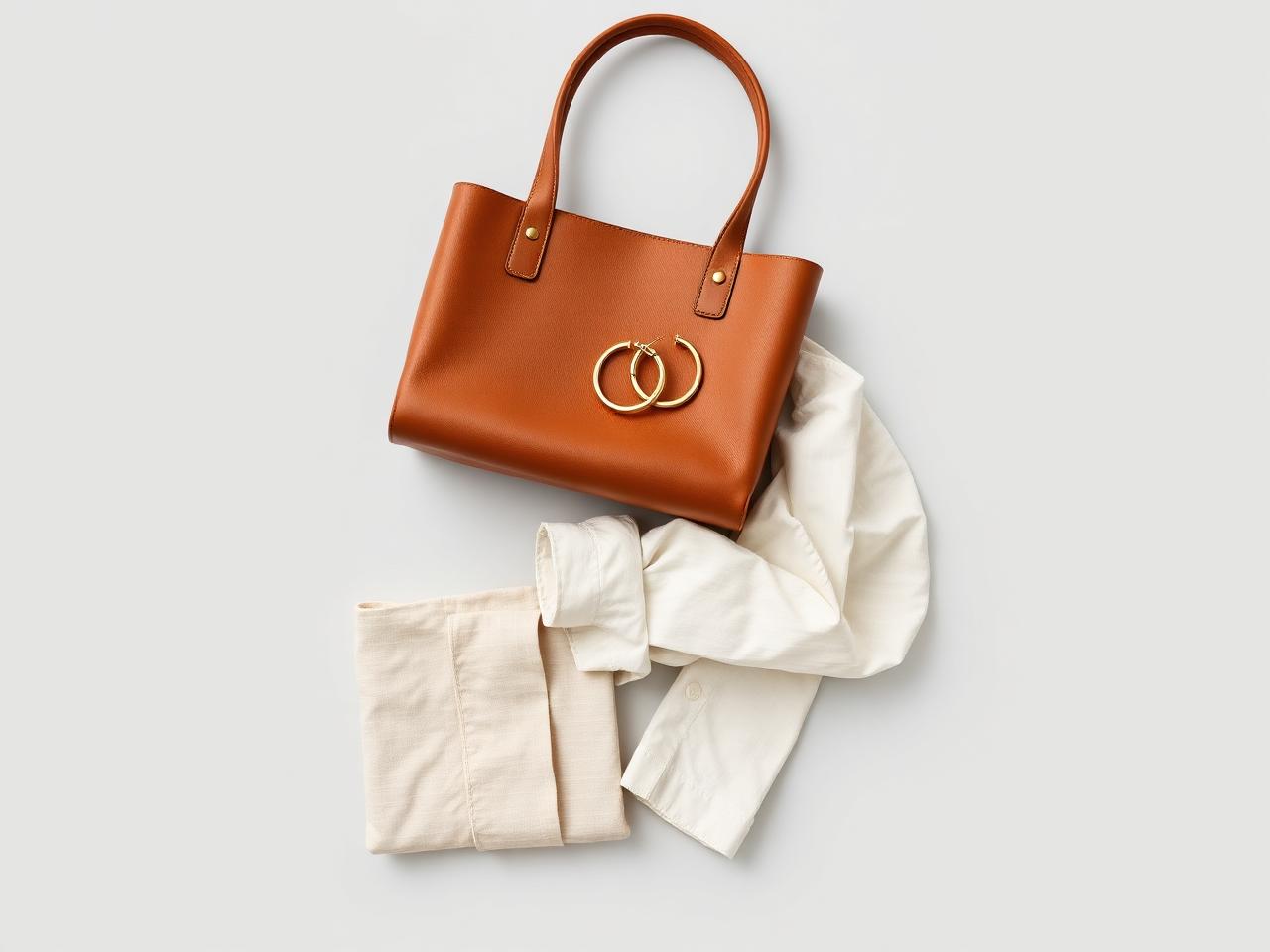
**Start with the bag, because everything else lives in it.** The single most common regret we heard was buying a bag for how it looked in a photograph. A backpack that carries a laptop needs a padded, suspended sleeve — not a flat pocket — and a hip or sternum strap once the load passes about twelve pounds. Students who walk or bike consistently preferred a structured laptop backpack with a luggage pass-through; teachers, who move between rooms rather than across campuses, almost universally chose a large tote bag with a rigid base and interior organization, because it opens flat on a desk and closes with one hand.
**Then the writing tools, which are cheaper than you think and matter more than you expect.** The note-taking research is consistent: handwriting improves retention over typing for conceptual material. That doesn't mean abandoning the laptop, it means carrying something to write in. A dotted-grid notebook handles both prose and diagrams. Erasable gel pens ended more disputes in our teacher panel than any other item — grading, margin notes, and seating charts all change. A pack of highlighters and sticky tabs turns a textbook into a searchable object in about ten minutes.
**Tech should solve one problem each.** Noise cancelling headphones came up in nearly every student interview, not for music but for the library, the dorm hallway, and the bus. A portable charger with enough capacity for a full phone recharge removes the outlet hunt entirely. A compact USB-C hub matters the moment you meet a projector, and it is the item teachers most often borrow from each other. A wireless mouse makes four hours of grading in a coffee shop bearable. Beyond those four, the returns drop off fast.
**Desk and classroom infrastructure is where teachers spend their own money.** Our panel described a predictable pattern: the first paycheck of the year goes to things the room is missing. A laptop stand fixes the neck pain that arrives in week six. A desk organizer keeps the twelve-second search for a working pen from happening forty times a day. A laminator and a good label maker were mentioned so often we stopped counting. Teachers who set up a single rolling cart of supplies reported the biggest quality-of-life difference for the smallest cost.
**Lunch and hydration are a systems problem, not a lifestyle one.** An insulated water bottle that keeps ice through a full day changes afternoon energy more than any supplement. A leakproof bento-style lunch container survives a bag it shares with a laptop. A slim insulated coffee tumbler that fits a cup holder and a bag pocket ends the disposable-cup habit inside a month.
**Skincare is a back to school category now, and it should be.** Fluorescent classroom light, early mornings, and stress do measurable things to skin. The routine our beauty desk recommends for a school day is deliberately short: a gentle non-foaming cleanser at night, a lightweight moisturizer, and a daily sunscreen that layers under makeup without pilling. Add a lip balm with SPF and a small hand cream for the sanitizer season. Five products, ninety seconds, twice a day.
**A few things to skip.** Almost nobody used the twelve-subject accordion folder. Almost nobody needed a full stationery set with a compass and protractor unless a syllabus demanded it. Expensive planners were abandoned by November at roughly the same rate as free ones — buy the cheap one, and if you're still using it at Thanksgiving, upgrade next year.
**How to shop it without overspending.** Buy the bag, the shoes, and the headphones well; buy the consumables cheaply and in bulk. Wait for the second week of the term for anything the syllabus hasn't explicitly required — you will discover that two of the four required texts are available in the library and one lab kit is sold at the campus store for less than the online price. Teachers should keep every receipt: in many countries classroom supply purchases are partially deductible, and the paperwork takes a fraction of the time people assume.
The point of a back to school list is not to arrive with everything. It is to arrive with the four or five things that remove friction from a day you will repeat one hundred and eighty times. Get those right in August and the rest of the year gets quietly easier.
 Style · By Marco Salinas