
 Culture · By Chimamanda Okafor
Lagos Light: Inside the Loudest Fashion Capital You Haven't Visited
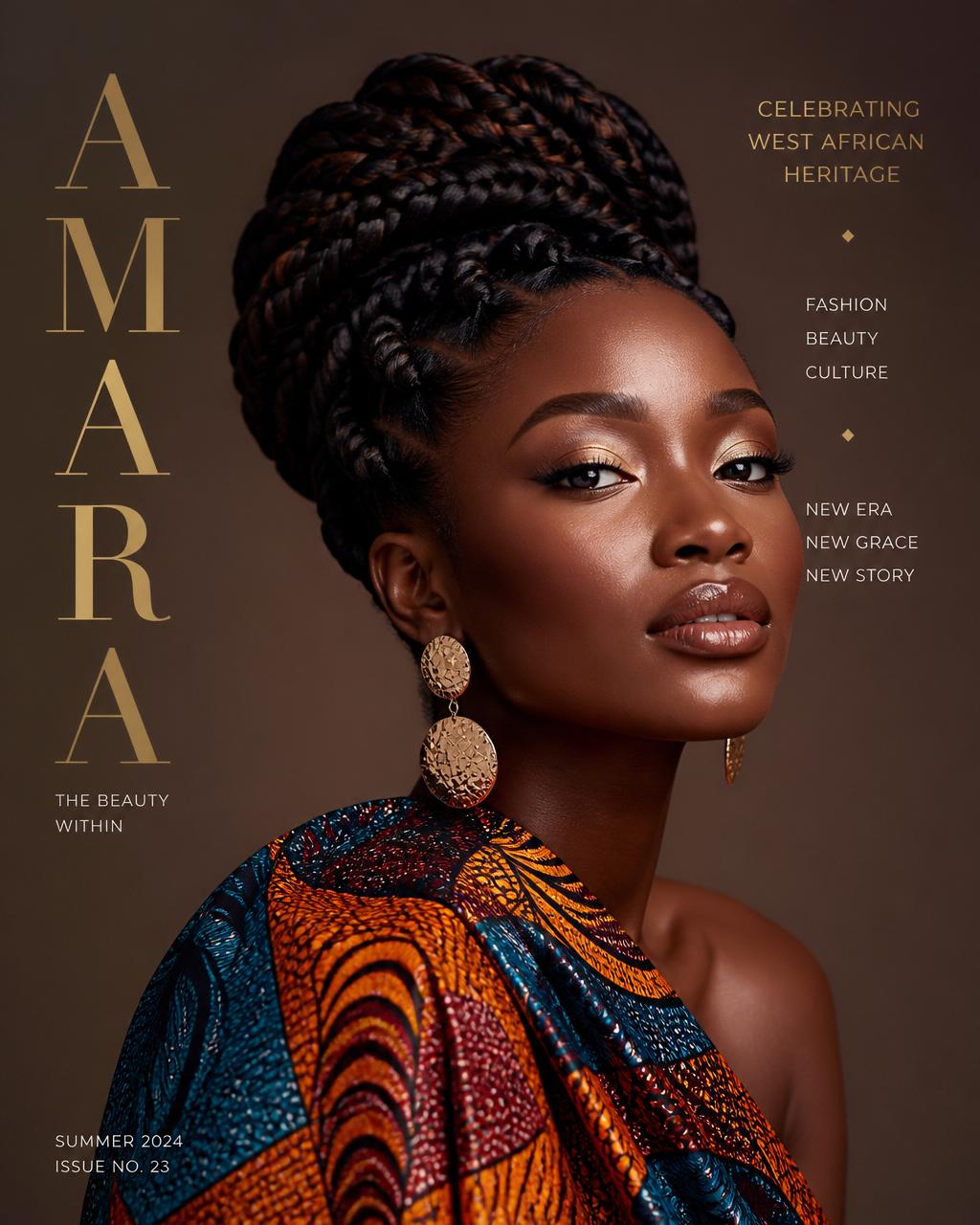
Lagos does not whisper. The traffic does not whisper. The markets do not whisper. The fashion does not whisper. To walk through Balogun Market on a Saturday morning is to be hit by more color, more pattern, and more confidence in fifteen minutes than most European cities project in a year. For a long time, this was filed by the international press under 'street style' — a polite way of saying 'not yet serious.' That filing system is no longer tenable. In the last five years, Lagos has become one of the four or five most consequential fashion cities in the world. Nigerian designers are stocked at Browns, Net-a-Porter, and Ssense. Nigerian photographers are shooting campaigns for European luxury houses. Nigerian models — and, increasingly, Nigerian casting directors — are reshaping who appears on global runways. The cultural export is happening at scale, and it is happening on Nigerian terms. The terms matter. The designers we interviewed for this piece — eleven of them, across two weeks in Lagos and a return visit to Accra — are uninterested in being framed as the next anything. They are not the next Paris. They are not the next New York. They are Lagos, and Lagos is enough. The clothes reflect this. Ankara is treated as a material with the same seriousness a Milanese house would give to a wool flannel — sourced from specific mills, cut on the bias, paired with silk and leather and technical fabrics, photographed without exoticism. Tailoring is sharp. Color is loud and intentional. The proportions assume a body that moves. The infrastructure has caught up too. Lagos now has its own fashion week, its own emerging design awards, its own roster of stylists, hair artists, set designers, and post-production houses. A young designer launching a label in 2026 does not need to leave the country to access world-class collaborators. They can, and many do, but it is a choice rather than a necessity. That changes everything about what the work looks like. The beauty story is just as serious. West African skincare brands are formulating around shea, baobab, and marula — ingredients with long traditional use and increasingly compelling clinical data — and exporting them with packaging that does not need to apologize. Hair, of course, is an entire continent of innovation in itself. The braiders, locticians, and natural-hair specialists working in Lagos, Abidjan, and Dakar are setting the global standard, and the global standard is finally noticing. What the rest of the world is slowly understanding is that Lagos is not a story about potential. It is a story about a creative economy that has already happened, that is already exporting, that is already shaping what the next decade of global fashion is going to look like. The only question left is how quickly the international gatekeepers will admit that the gate has been open for some time. For now, the work continues. The light in Lagos is harsh and beautiful. The clothes are made to meet it.