
 Beauty · By Noah Pierce
The New Men's Fragrance Wardrobe
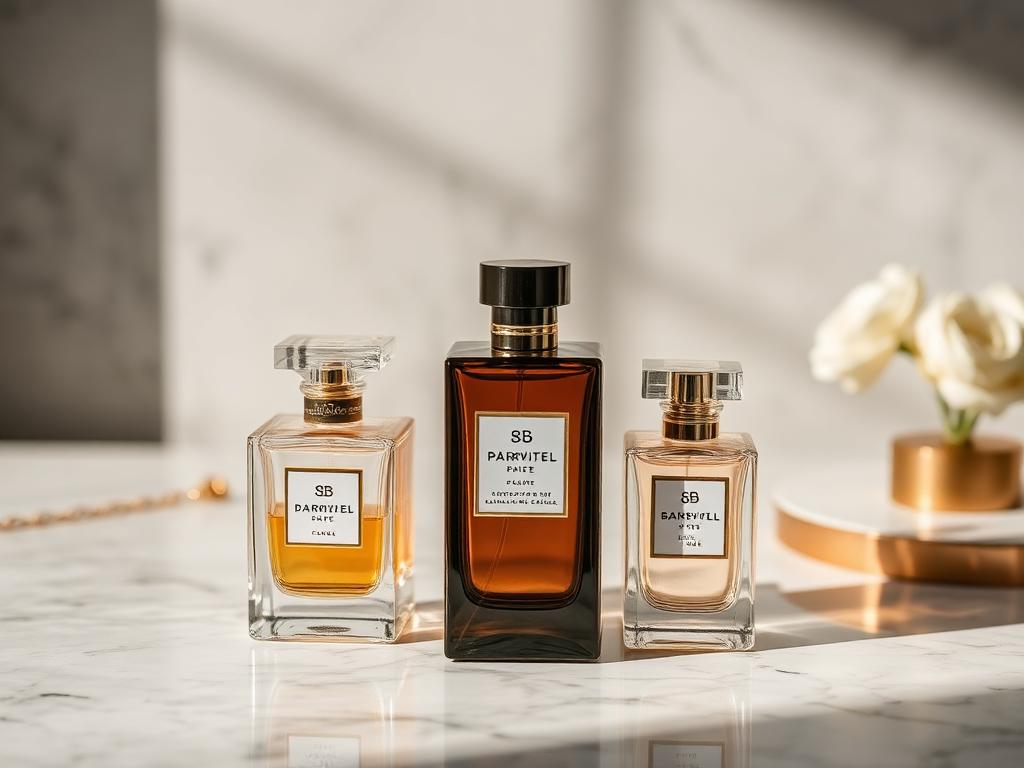
The fragrance shelf, more than almost any other corner of the beauty industry, has spent the last century enforcing a gender binary that never made chemical sense. Rose is not a feminine molecule. Oud is not a masculine molecule. Vetiver, iris, sandalwood, jasmine, ambergris — these are ingredients, not identity claims. The current generation of perfumers, and increasingly the customers buying their work, are treating them accordingly. The pivot has been most visible in niche perfumery. Houses based in Grasse, Dubai, Berlin, and Los Angeles have been releasing fragrances without gender designation for a decade, and the mainstream is following. Chanel, Dior, and Byredo have all quietly moved their newer launches away from strict pink-or-blue marketing. The bottles look the same for everyone. The advertising features whoever fits the mood of the scent. And the customers, given the option, are choosing what they actually like to smell rather than what they were told they were supposed to wear. The notes worth building a wardrobe around, in 2026, are a specific short list. Neroli — the oil pressed from bitter orange blossom — has emerged as the daylight scent of choice: bright, slightly bitter, uncomplicated, and universally flattering. Clean musks, particularly the newer synthetic muscones that read as skin rather than laundry, are doing the work of a base note without the powdery weight of the older aldehyde-heavy musks. Oud, once a specialist Middle Eastern note, is now mainstream in both raw and reconstituted forms, and it is being worn as a serious evening scent by people of every gender. Smoked vetiver — vetiver grass processed to bring out its darker, almost tar-like facets — is the current cool-weather signature. The wardrobe idea is worth taking seriously. The old model of one signature scent, worn every day, is being replaced by a small rotation — three or four fragrances organized by weather, time of day, and social context rather than by season. A neroli or bergamot for morning and outdoor daylight. A clean musk or iris for office and indoor daytime. An oud, amber, or vetiver for evening. A stranger, more idiosyncratic scent — something with immortelle, ambergris, or a specific incense — for the days when you want to be recognized by the way a room smells after you leave it. The perfumers we interviewed for this piece were, almost to a person, exhausted by the gender question. Four of them told us they had stopped labeling their bottles at all in the last three years and had seen no drop in sales. One, based in Grasse, said the only demographic still asking for explicitly 'masculine' fragrances was, in her words, 'men over seventy and marketing executives.' Everyone else was choosing by nose. What this adds up to, for someone building a personal scent wardrobe now, is a genuinely wider menu. The good news is that the notes have never been more available or better formulated. The better news is that no one is checking what you are wearing against what you are supposed to wear. The bottle is on the shelf. If you like how it smells on your skin, it is yours. Scent, at its best, has always been personal. It is finally being allowed to be.