
Korean skincare products arranged in an editorial flatlayTravel

The Seoul Skincare Routine: A Traveler's Guide to K-Beauty

By Soo-Jin Park · Véronique Global Edition

How to shop, pack, and layer Korean skincare when you're on the road — without checking an extra bag.

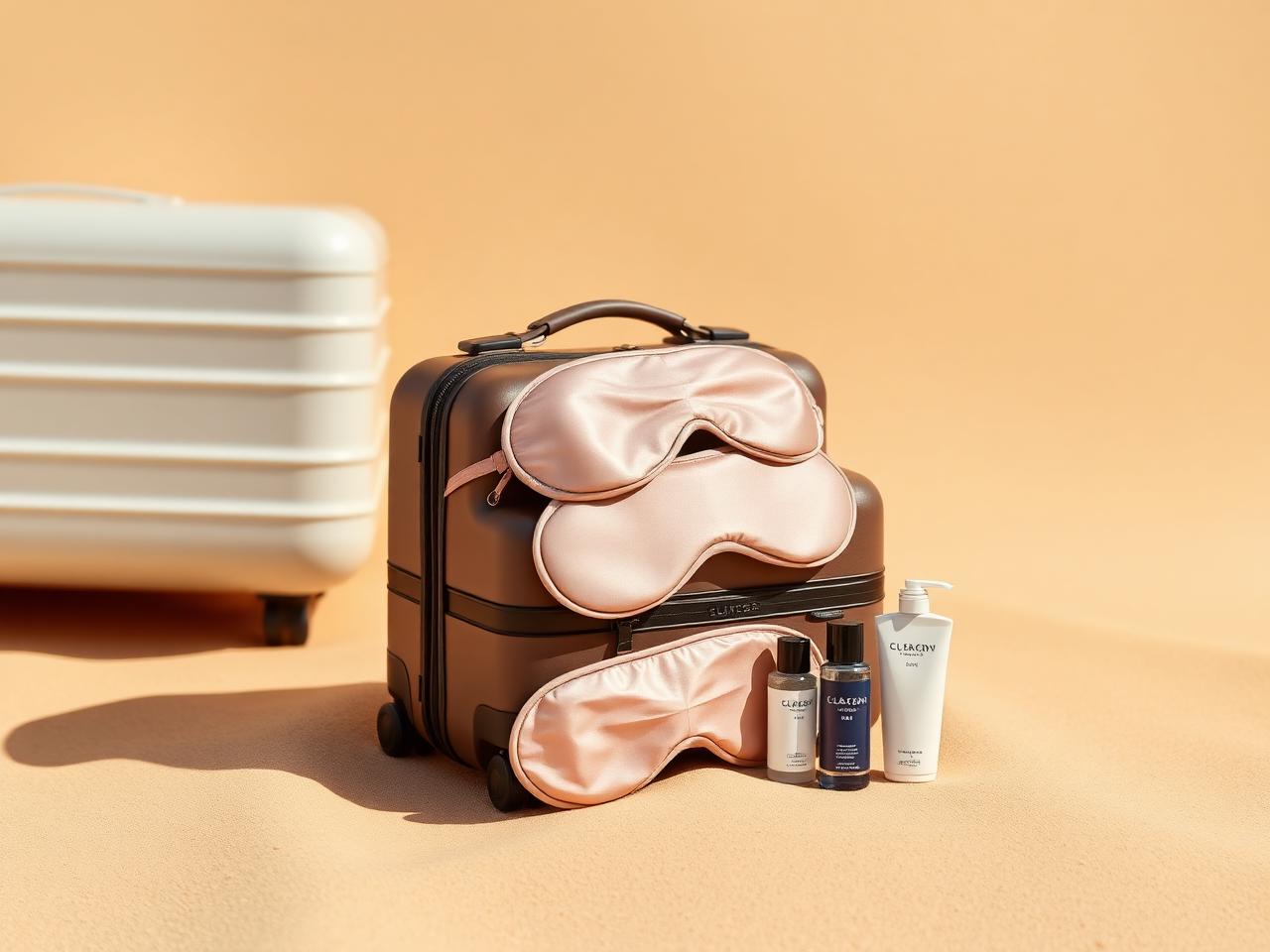
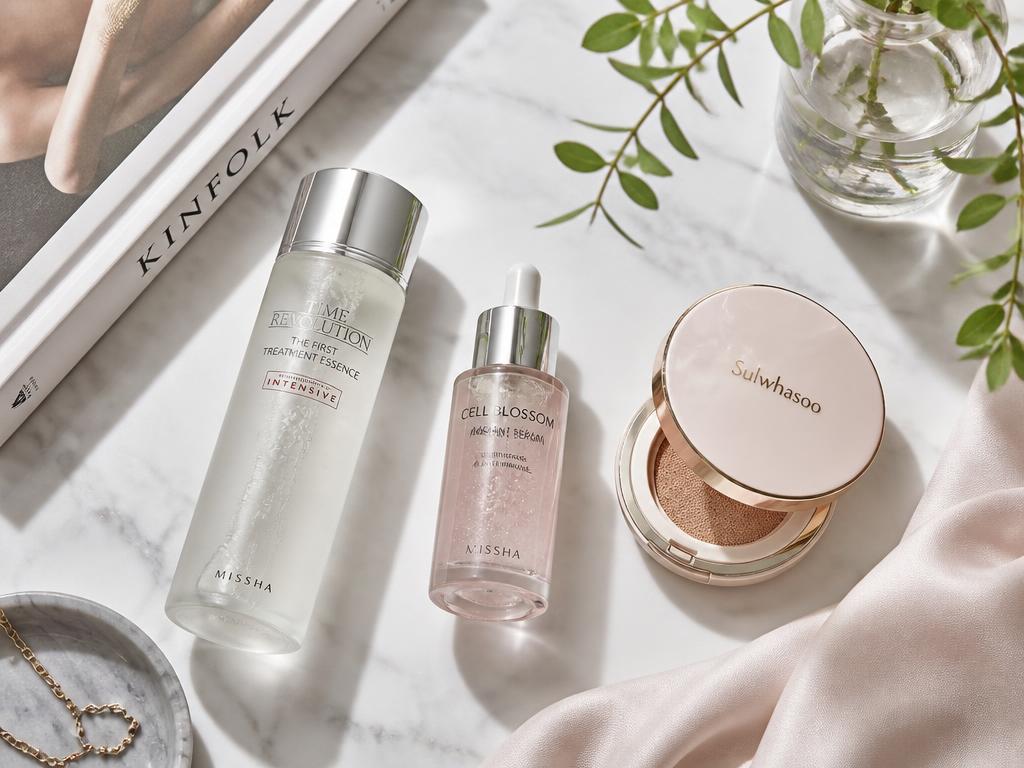
The first thing to know about buying skincare in Seoul is that you do not need to hunt. Every major neighborhood — Myeongdong, Hongdae, Garosu-gil, even the basement floors of department stores — has at least one Olive Young, and Olive Young is arguably the most efficient beauty store on earth. The shelves are organized by concern, not by prestige, and the staff will hand you samples until your tote bag is heavy. The second thing to know is that the famous ten-step routine is a marketing myth. No dermatologist in Seoul recommends ten steps. What Korean skincare actually does well is hydration, layering, and sun protection — three principles that happen to be perfect for travel, where planes, hotel air conditioning, and sudden climate changes wreck your barrier. For a trip, pack a short routine that fits in a quart-size bag. A low-pH cleanser, a hydrating toner or essence, a moisturizer with ceramides, and a broad-spectrum sunscreen. That is the whole foundation. If your skin is dry, add a sleeping pack you can use as a heavy night cream. If you are acne-prone, swap in a lightweight gel moisturizer and a BHA liquid for clogged pores. The products that are genuinely worth buying in Seoul rather than ordering online are the ones that are cheaper, fresher, or unavailable abroad. Sunscreens from Beauty of Joseon, Round Lab, and Skin1004 cost roughly half what they do with international markup. Hydrating toners from Cosrx, Anua, and Pyunkang Yul are shelf-stable and easy to pack. Sheet masks are impulse buys that make excellent souvenirs.

Travel products on Amazon
Advertisement · Amazon TravelShop →

Where to shop depends on your patience. Olive Young has the best selection and frequent promotions. Department stores like Lotte and Shinsegae carry higher-end brands such as Sulwhasoo and Hera with generous gift-with-purchase sets. The standalone Amorepacific flagship in Sinsa is worth a visit for the experience, if not necessarily the discount. A practical tip: buy the sunscreen first. Korean and Japanese sunscreens are regulated differently than in the United States, which is why the best ones are rarely available there. Stock up, because once you use a proper SPF that does not pill, smell like sunscreen, or leave a white cast, it is hard to go back. The real secret of K-beauty is not the number of steps. It is the assumption that skincare should be consistent, gentle, and enjoyable enough that you will actually do it every night, even in a hotel room with bad lighting and a mini-bar calling your name.

Disclosure: This article contains affiliate links. We may earn a commission if you purchase through them — at no extra cost to you.

About this story: How to shop, pack, and layer Korean skincare when you're on the road — without checking an extra bag.

More in Travel

Portrait of a woman in an embroidered kaftan in a Marrakech courtyardTravel · By Celia Moreau

What to Pack for Morocco: A Minimalist Beauty & Style Capsule

Morocco demands a specific kind of packing. The days are hot, the nights can be cool, the medinas are dusty, and the riads are surprisingly photogenic. You want clothes that cover you comfortably, shoes that can handle uneven stone, and skincare that protects against sun and dehydration without requiring a full bathroom counter. Start with the clothes. A long-sleeved linen shirt in white or sand is the most useful item you can bring. It covers your shoulders, breathes in the heat, and looks correct at dinner. Pair it with wide-leg linen trousers or a long cotton skirt. One pair of comfortable leather sandals for the day, one pair of closed-toe shoes for the medina and any camel-riding plans. A lightweight scarf serves as sun protection, a cover for mosques, and a layer when the temperature drops. For evenings, Moroccans dress well. A simple midi dress in silk or cotton, or a tailored jumpsuit, will feel appropriate in Marrakech and Fes. Jewelry travels well here — a pair of gold hoops and a cuff bracelet elevate a plain outfit without taking up space. The beauty edit is smaller than you think. A good mineral sunscreen is non-negotiable; the Moroccan sun is intense and reflective. A hydrating facial mist, a rich night cream or facial oil, and a tinted lip balm with SPF complete the face. Argan oil is, of course, local and excellent — buy a small bottle in a cooperative shop rather than the airport, where quality varies. Hair needs consideration too. The dry climate and hard water can make hair brittle. A silk scrunchie, a leave-in conditioner, and a wide-brimmed hat will do more than most styling products. If you wear your hair naturally curly or coily, bring your full moisture routine; Moroccan salons are skilled but may not stock the products you need. The packing goal is not to look like a local — you will not — but to look respectful, comfortable, and prepared. Morocco rewards modesty in dress not as a rule but as a practical kindness: your shoulders and knees will thank you under the sun, and you will feel more at ease in markets and rural areas. A final note: leave room in your suitcase. Moroccan ceramics, textiles, and argan oil are worth bringing home, and the best souvenirs do not fit in a carry-on. Pack light on the way there so you can bring the country back with you.
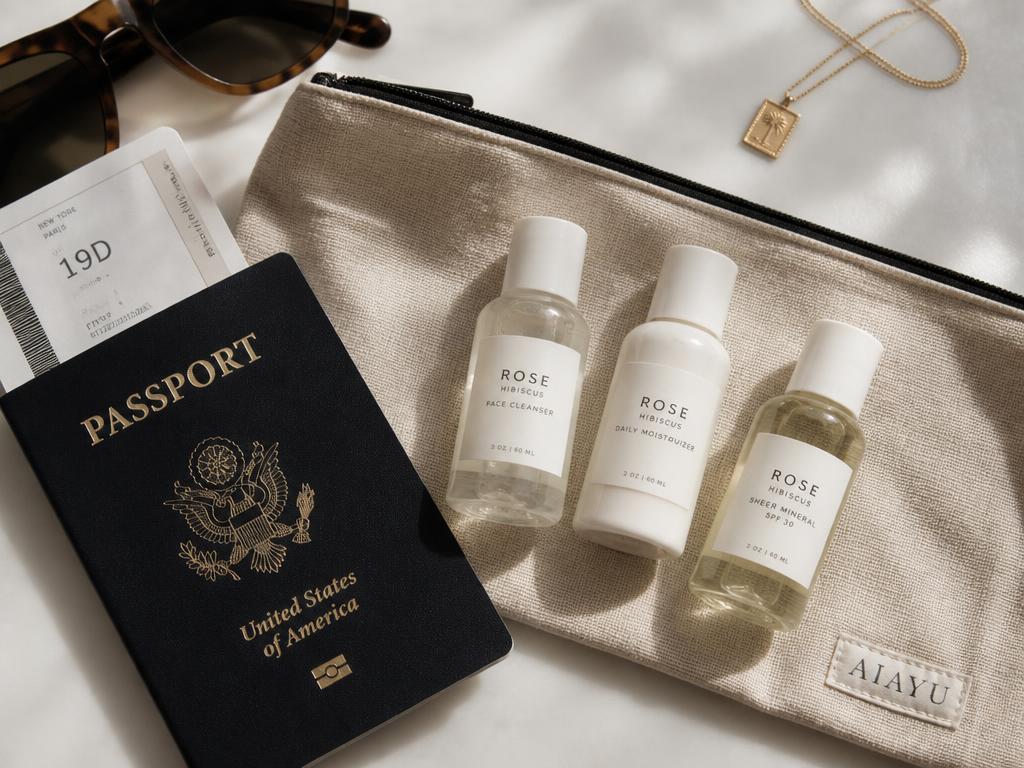
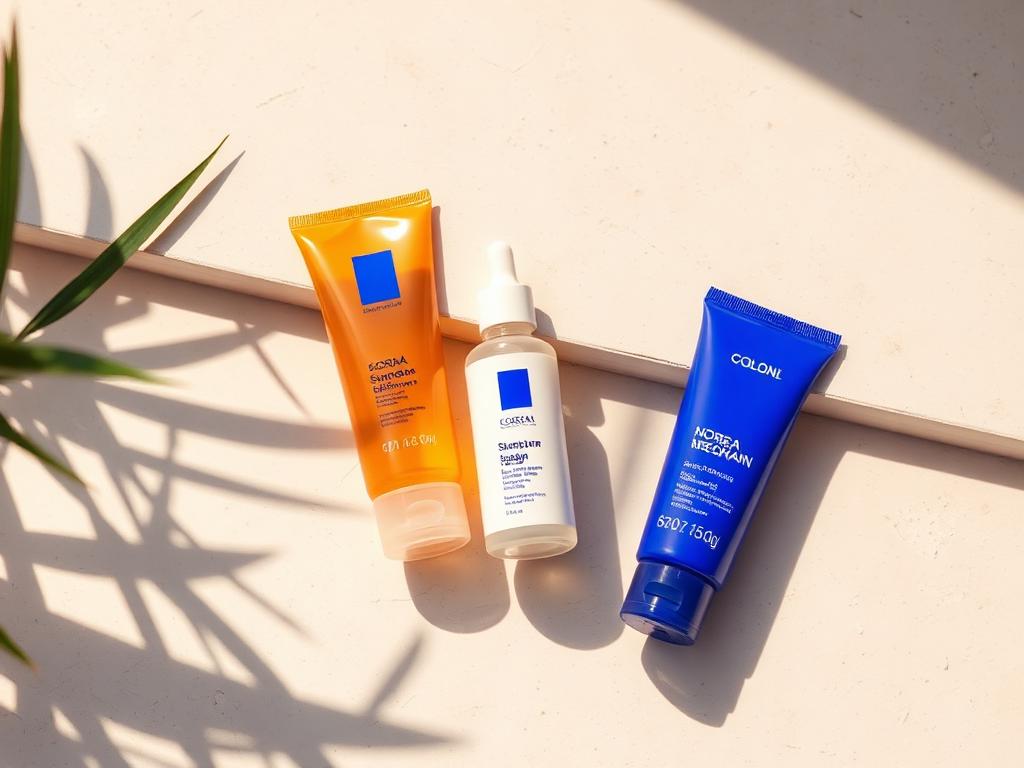
Travel skincare essentials arranged with a passport and boarding passTravel · By Dr. Aris Thorne

The Only Travel Skincare Routine You Actually Need

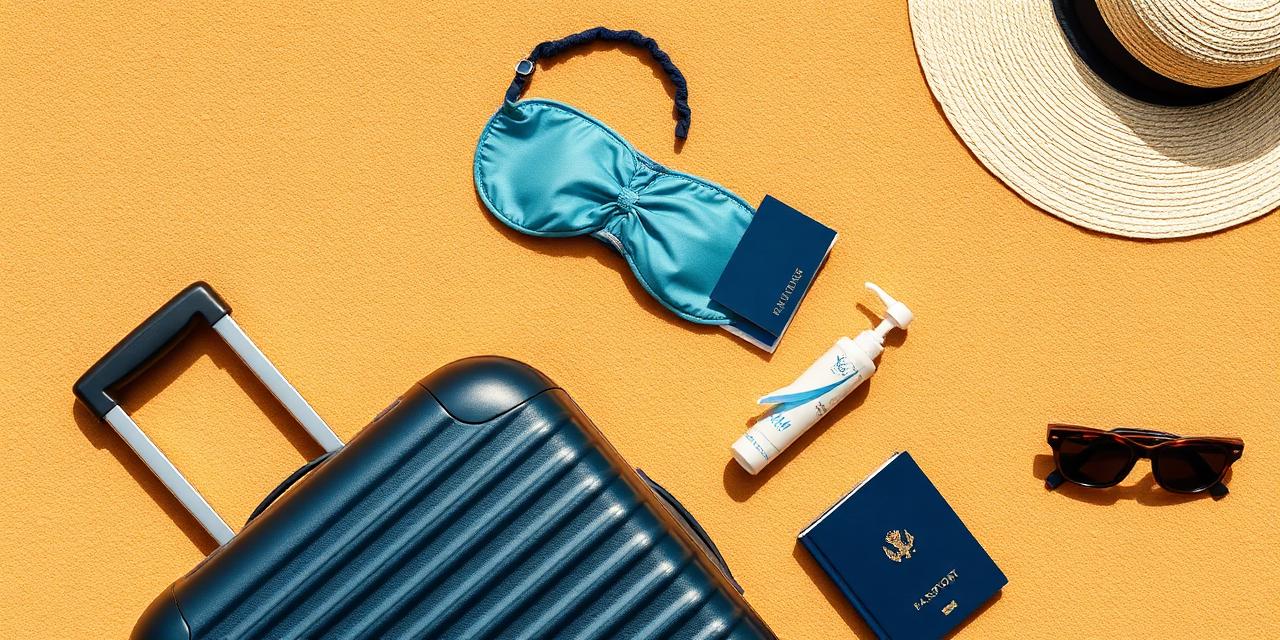
The skin problem most travelers complain about is not a breakout or a sunburn. It is a dull, tight, vaguely irritated face that appears somewhere around day three of a trip and lingers for a week after they get home. The cause is almost always barrier disruption: dry airplane air, unfamiliar water, inconsistent sleep, and too many new products applied at once. The fix is to simplify, not add. A travel skincare routine needs three products: a gentle cleanser, a barrier-supporting moisturizer, and a sunscreen you will actually wear. Everything else is optional, and for most people, everything else is what causes the problem. The cleanser should remove sunscreen, sweat, and pollution without leaving your face squeaky. Look for a cream or gel formula with a pH between 4.5 and 5.5. Avoid foaming cleansers that list sodium lauryl sulfate high on the label; they are common in hotel bathrooms and they are usually too aggressive for travel-stressed skin. The moisturizer is the most important step. Travel strips water from the skin faster than usual, so you need a formula that both hydrates and seals. The ideal travel moisturizer contains ceramides, cholesterol, and fatty acids in a ratio that mimics the skin barrier, plus humectants like glycerin or hyaluronic acid to pull water into the surface. A slightly thicker cream than you use at home is usually worth it. Sunscreen is non-negotiable for reasons that go beyond vacation. UV exposure is higher at altitude, near water, and in reflective environments like snow and sand. A broad-spectrum SPF 30 or higher, reapplied every two hours when you are outside, is the single most effective anti-aging and anti-pigmentation product you own. The best one is the one you will wear, so prioritize texture over claims. Application order matters. In the morning: cleanser if you need it, moisturizer, sunscreen. In the evening: cleanser, moisturizer. That is the whole routine. If your skin is very dry, add a facial oil or sleeping mask over moisturizer at night. If you are acne-prone, use a gel moisturizer and consider a salicylic acid cleanser a few nights a week. What to avoid: introducing new products on the first day of a trip. Your skin is already adapting to a new climate, water, and sleep schedule. The hotel minibar is not the moment to try a ten-step routine you saw on social media. Bring products you have already tested at home. The goal of travel skincare is not to look perfect in every photo. It is to return home with skin that feels like yours. Three products, used consistently, will get you there.

The Weekly Dispatch

Curated international editorial direct to your inbox. No noise, just vision.

As an Amazon Associate, I earn from qualifying purchases.