Avenue.

Cover story for the Fluidity of Modern Glamour
Global Edition

The Fluidity of
Modern Glamour

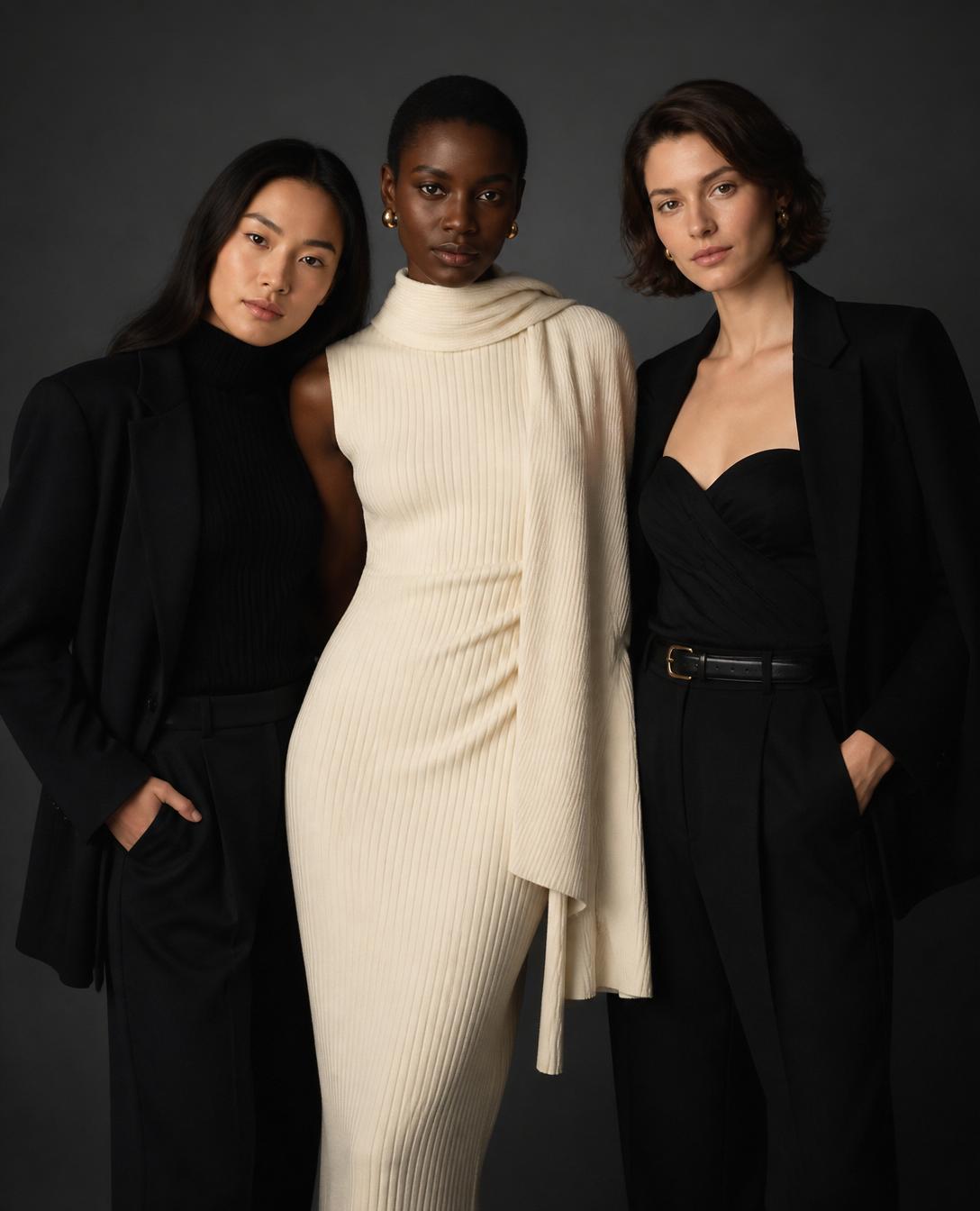
Avenue. is the global beauty and style vertical of Véronique. Each week, our desks in Paris, Tokyo, New York, and São Paulo report on the designers, products, and movements making glamour feel personal again. Breaking boundaries with the faces redefining the international runway this season.

Read the Story

The Beauty Edit

View All
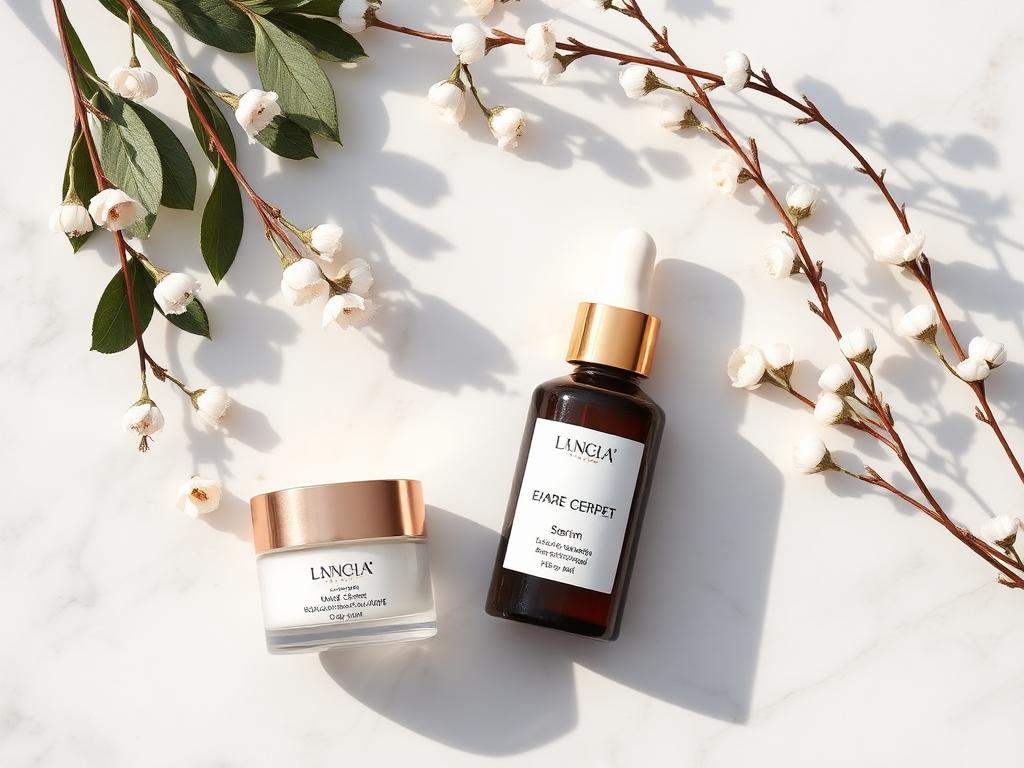
Skincare products arranged on a marble surfaceCosmetics

Essential Skincare Rituals for Every Identity

A dermatologist-backed guide to building a routine that respects changing skin.

Skin changes. Hormones, climate, stress, sleep, medication, and time all rewrite the map of what any given face needs on any given morning. The best skincare routine is not the one with the most steps or the most expensive shelf. It is the one that respects where your skin actually is today and gives it the smallest set of things it needs to be well. Across our global desks — Paris, Seoul, Lagos, São Paulo, New York, and Sydney — we asked practicing dermatologists to describe the routine they actually recommend to a new patient with no specific pathology, only ordinary skin trying to age well. The answers were striking in their agreement. A gentle, non-stripping cleanser. A moisturizer that supports the skin barrier. Broad-spectrum sun protection, every day, regardless of weather or skin tone. That is the whole foundation. Everything else is optional and specific. The cleanser is the most under-discussed step. A good cleanser removes sunscreen, sweat, and pollutant particles without disrupting the acid mantle of the skin. It should rinse cleanly, leave no film, and produce no tight feeling afterward. If your skin feels 'squeaky clean,' your cleanser is too aggressive for you, regardless of what the bottle promises. Non-ionic surfactants, low-sulfate formulations, and cream or gel textures with a pH between 4.5 and 5.5 are the current standard of care. That is a boring sentence and also the most useful one in this article. Moisturizer is the second lever. The three-part barrier lipid mix — ceramides, cholesterol, and free fatty acids — has, in the last five years, moved from research literature into everyday drugstore formulations. A moisturizer that contains all three, ideally paired with niacinamide and glycerin, will support your barrier better than a moisturizer twice the price built around botanical marketing. Sunscreen is not negotiable. The evidence for daily broad-spectrum SPF as the single most effective anti-aging intervention is overwhelming and has been overwhelming for twenty years. The good news is that formulations have caught up: modern mineral and hybrid sunscreens, particularly the Korean and Japanese generations, blend cleanly on every skin tone, do not leave a white cast, and can be worn under makeup without pilling. If you find one you like, wear it. If you do not like the one you have, keep trying — the market has genuinely improved. Beyond the foundation, the useful actives are few and boring. Retinoids (retinal, retinol, or prescription tretinoin) at night, three to five nights a week, for texture and tone. Azelaic acid at 10 to 15 percent for redness and post-inflammatory pigmentation. Vitamin C in the morning for antioxidant support, if you tolerate it. That is essentially the full menu. Everything else — the sixteen-step routines, the eight essences, the layered serums — is at best neutral and at worst a slow way to irritate your barrier back into the problems you were trying to solve. The most useful mental shift is treating skincare as maintenance rather than transformation. Skin does not want to be renovated every three months. It wants to be cared for consistently, gently, and in a way that acknowledges it is a living organ, not a surface. Build the routine you can actually do for the next twenty years. That is the routine that works.
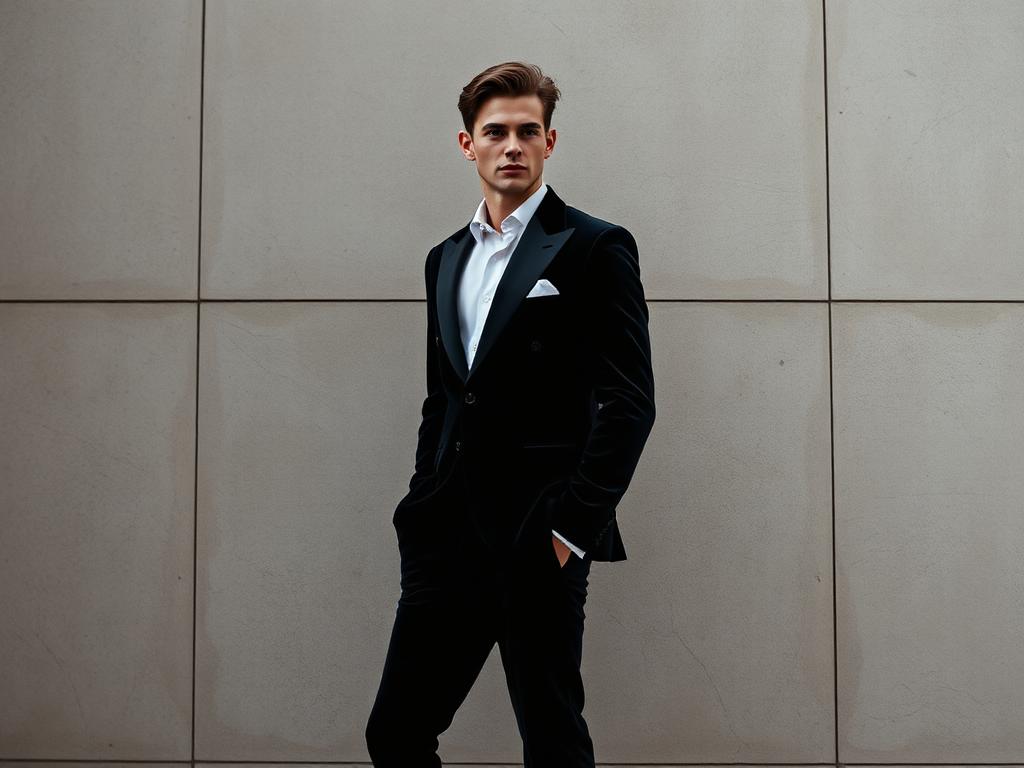
A tailored velvet jacket in autumn lightFashion

Velvet & Vigor: The Men's Autumn Resurgence

Why the international runway is returning to texture and traditional craftsmanship.

Menswear is having a texture moment, and it has been a long time coming. After the better part of a decade in which men were told that the appropriate wardrobe was a variation on the same theme — technical outerwear, minimal knits, sneakers in three shades of white — the autumn runways from London to New York to Milan have quietly returned to the materials that built the modern men's wardrobe in the first place. Velvet. Corduroy. Brushed wool. Cashmere with the actual weight of cashmere. Suede that looks like something an animal wore first. The pivot is not nostalgic. The designers driving it are, for the most part, in their thirties, and they are treating heritage materials with a modern eye. The velvet jacket coming out of a London tailor's atelier this season is cut with a dropped shoulder and a slightly boxier chest than a 1970s equivalent. The corduroy trouser has moved to a wider leg with a flat front and no break. The brushed wool overcoat, in tobacco or forest green or a specific shade of oxblood that looks correct only under overcast light, is being cut long enough to actually keep a person warm in a real winter. Color is doing serious work. The palette for autumn 2026 has resolved into a small, unusually confident group: deep burgundy, forest green, tobacco brown, ink navy, chalk white, and a warm neutral gray that reads almost taupe in certain light. Black is present but no longer default. The result is a wardrobe that looks composed without looking corporate, and photographs well in the kind of low autumn sunlight that turns everything in New York and Milan the color of honey between four and five in the afternoon. The three pieces we would build a season around are unspectacular in isolation and transformative together. First: a single-breasted velvet jacket in a deep, warm color — burgundy or forest green — cut with a soft shoulder and worn with a plain cotton shirt open at the collar. Second: a wide-leg corduroy trouser in tobacco or chocolate, high-rise, with enough weight to hold a crease. Third: a brushed wool overcoat in oxblood or ink navy, cut to just below the knee, cut generously enough to layer over a jacket without pulling at the shoulders. Any two of these three, worn together, produce a look that would have read as slightly overdressed five years ago and now reads simply as considered. The underlying story is a return to craftsmanship as visible value. The mills producing this generation of fabrics — in Biella, Yorkshire, and increasingly Suzhou — are running the same machinery that produced the best menswear of the last century, and the results are the same. A well-cut velvet jacket from a decent atelier will outlast the trend cycle by twenty years. That is what the price is for. That is also what has been missing from menswear for most of the last decade. Call it a resurgence if you like. It is really just a return to the idea that clothes are made of something. The something is finally being noticed again.

Pack lighter, arrive better
Advertisement · Amazon · TravelPack lighter, arrive better
Shop travel
A couture gown in sunset ombré tonesRunway

Glow on the Horizon: Sunset Couture from Milan

The atelier shows that defined the most romantic week of the season.

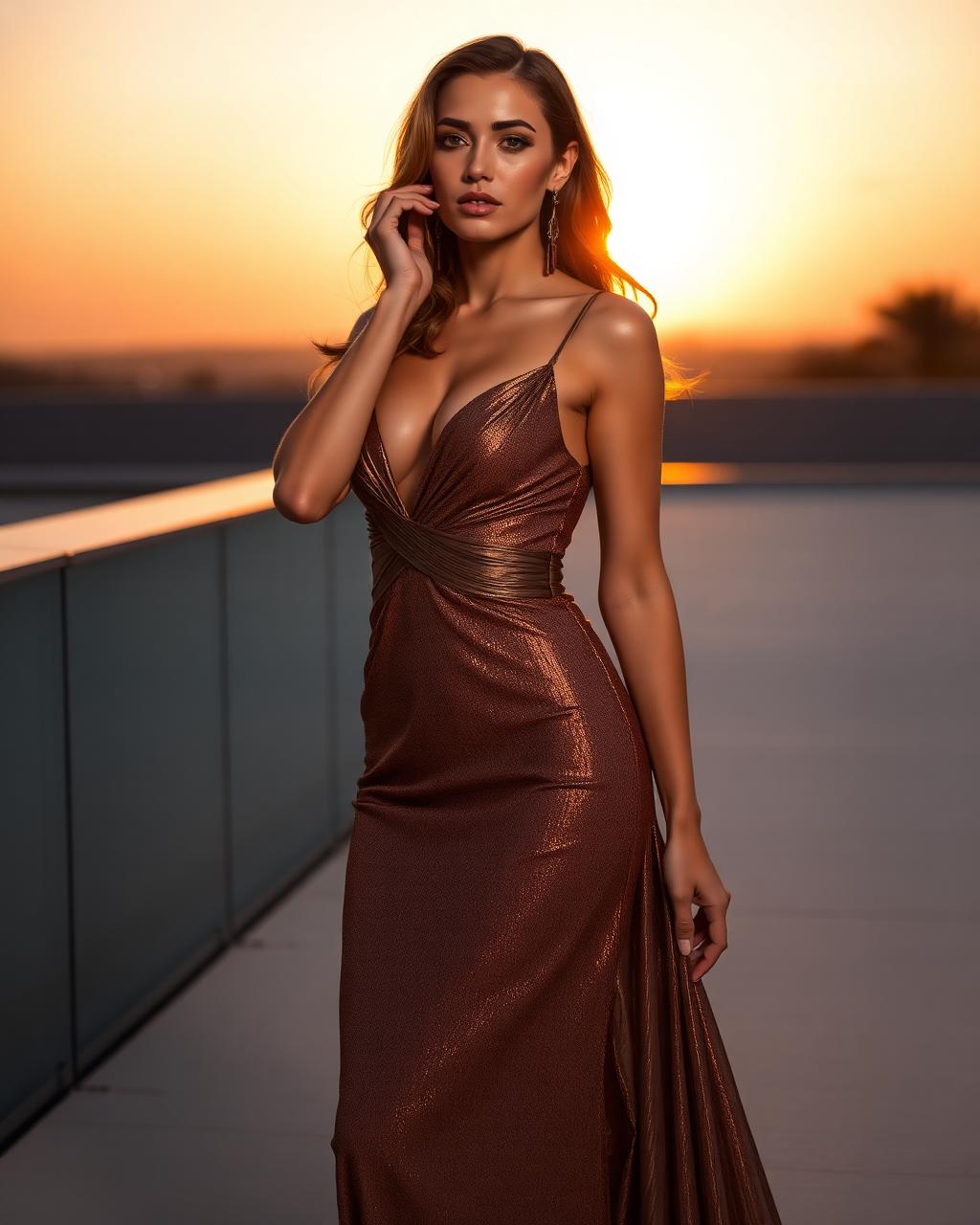
Milan couture week ended, this season, in a color story so tightly coordinated across ateliers that it felt almost conspiratorial. Amber. Rose. Bronze. The specific range of tones the sky takes on for forty minutes between six and seven o'clock in late September, when the light stops being white and starts being an event. The designers seemed to have collectively decided that this was the color of the season, and the results were some of the most quietly moving couture we have watched in years. The technique that made it work was the return of the hand-painted ombré. Rather than dye a fabric to a single tone, the ateliers doing the most careful work this season painted gradients directly onto silk organza, silk faille, and silk-linen blends — one panel at a time, with the seams matched so that the color moved continuously across the body of the finished garment. Done well, the effect reads as a single light source falling across the dress rather than a pattern printed onto it. Done badly, it looks like a screensaver. Almost everyone we saw did it well. The silhouettes were as generous as the color palette. Draped bodices with soft shoulders. Skirts cut on the bias with enough length to move on the floor. A specific kind of narrow strap that sat just off the shoulder — not falling, but no longer holding tension either. Fabric weights were heavier than the 'liquid' silks of the last few seasons, closer to the couture fabrics of the 1950s: silks with substance, capable of holding a shape, willing to catch light on their own folds. Under the show lights, they moved like weather. The casting was the most encouraging piece of the week. The runways in Milan this season were not built around a single body type or age. The models walking these ombré gowns ranged from nineteen to sixty-two, across every skin tone, in bodies the industry has spent decades pretending it could not accommodate. The clothes were cut for all of them. That is not a footnote. That is the show. The accessories followed the light. Long silk gloves in the same painted gradients. Bare feet in Roman-style sandals, in bronze or nude leather. Hair was pulled back or left loose but never elaborately structured — the message being, correctly, that the dress was the argument and the person wearing it did not need styling to compete. Makeup was the quiet-glow palette that has taken over the international beauty conversation: skin left largely as skin, a wash of warm blush, a bare eye, a soft lip. What lingered after the shows ended was not any single dress but the mood the week collectively produced. Couture as it should be — labor-intensive, hand-made, cut for a specific body, photographed in the last good light of the day. There is a version of luxury that is about exclusion and there is a version that is about care. Milan this season made a strong case for the second one. The sun sets on Milan every night around six-thirty in September. For one week, so did the runway.

Perfume bottles on a marble vanityBeauty

The New Men's Fragrance Wardrobe

Scent is shedding gender labels. These are the notes worth wearing now.

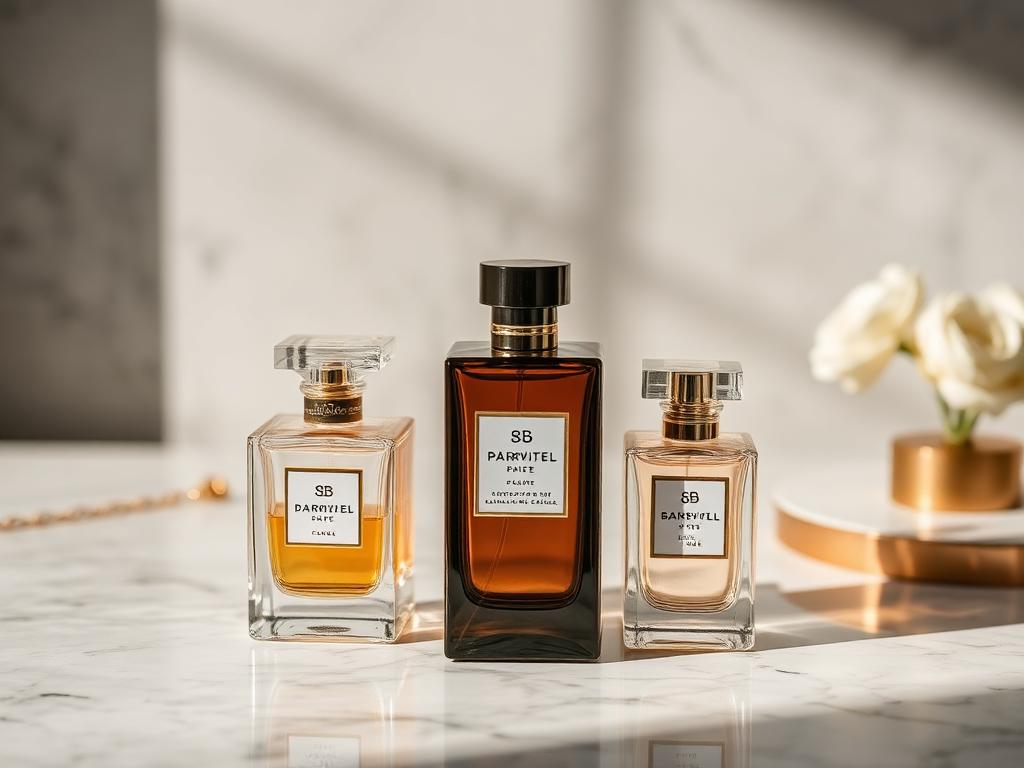
The fragrance shelf, more than almost any other corner of the beauty industry, has spent the last century enforcing a gender binary that never made chemical sense. Rose is not a feminine molecule. Oud is not a masculine molecule. Vetiver, iris, sandalwood, jasmine, ambergris — these are ingredients, not identity claims. The current generation of perfumers, and increasingly the customers buying their work, are treating them accordingly. The pivot has been most visible in niche perfumery. Houses based in Grasse, Dubai, Berlin, and Los Angeles have been releasing fragrances without gender designation for a decade, and the mainstream is following. Chanel, Dior, and Byredo have all quietly moved their newer launches away from strict pink-or-blue marketing. The bottles look the same for everyone. The advertising features whoever fits the mood of the scent. And the customers, given the option, are choosing what they actually like to smell rather than what they were told they were supposed to wear. The notes worth building a wardrobe around, in 2026, are a specific short list. Neroli — the oil pressed from bitter orange blossom — has emerged as the daylight scent of choice: bright, slightly bitter, uncomplicated, and universally flattering. Clean musks, particularly the newer synthetic muscones that read as skin rather than laundry, are doing the work of a base note without the powdery weight of the older aldehyde-heavy musks. Oud, once a specialist Middle Eastern note, is now mainstream in both raw and reconstituted forms, and it is being worn as a serious evening scent by people of every gender. Smoked vetiver — vetiver grass processed to bring out its darker, almost tar-like facets — is the current cool-weather signature. The wardrobe idea is worth taking seriously. The old model of one signature scent, worn every day, is being replaced by a small rotation — three or four fragrances organized by weather, time of day, and social context rather than by season. A neroli or bergamot for morning and outdoor daylight. A clean musk or iris for office and indoor daytime. An oud, amber, or vetiver for evening. A stranger, more idiosyncratic scent — something with immortelle, ambergris, or a specific incense — for the days when you want to be recognized by the way a room smells after you leave it. The perfumers we interviewed for this piece were, almost to a person, exhausted by the gender question. Four of them told us they had stopped labeling their bottles at all in the last three years and had seen no drop in sales. One, based in Grasse, said the only demographic still asking for explicitly 'masculine' fragrances was, in her words, 'men over seventy and marketing executives.' Everyone else was choosing by nose. What this adds up to, for someone building a personal scent wardrobe now, is a genuinely wider menu. The good news is that the notes have never been more available or better formulated. The better news is that no one is checking what you are wearing against what you are supposed to wear. The bottle is on the shelf. If you like how it smells on your skin, it is yours. Scent, at its best, has always been personal. It is finally being allowed to be.

Reading the world of style
Advertisement · Amazon · CultureReading the world of style
Shop books
Close-up of a bespoke suit collarFashion

Tailoring for Every Body

The quiet revolution happening in ateliers from Naples to Hong Kong.

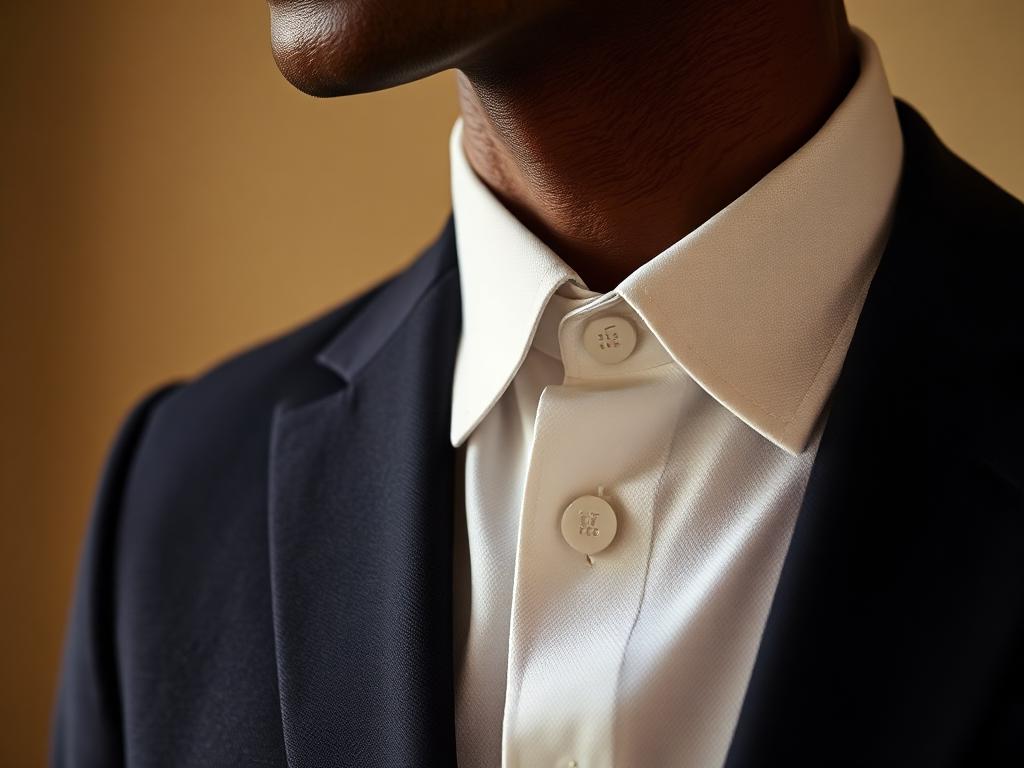
A good suit is architecture you wear. Everything that matters about tailoring — how the shoulder sits, how the chest breathes, how the trouser breaks over the shoe, how the whole garment moves when the person inside it walks — is the result of decisions made months before the customer ever puts it on. For most of the last century, those decisions were being made for a very narrow set of bodies. That is quietly, structurally, changing. We spent six weeks visiting tailors in Naples, London, Hong Kong, Seoul, Lagos, and Mexico City for this piece. What we found was a generational shift happening simultaneously in ateliers that have almost nothing else in common. The younger tailors — most of them trained by masters in the traditional way, most of them now running their own workshops — are expanding their basic pattern blocks. Where a Neapolitan shop in 1985 might have worked from three or four standard chest shapes and adjusted from there, the same shop in 2026 is likely to hold twelve or fifteen, cut for a genuinely wider range of body types. The technical change underneath this is real. Historically, a tailor working on a body outside the standard block had to solve the problem by adding fabric — letting out seams, adding gussets, compromising on the intended line of the jacket. The new generation is more likely to redraft the block itself, which produces a jacket that fits properly rather than one that has been adjusted to accommodate a mismatch. The difference is visible on the body. A jacket cut from the correct block sits still on the shoulders. It does not pull, gap, or bunch. It looks like it was made for the person, because it was. Hong Kong is doing some of the most interesting work in this direction, largely because the Hong Kong tailoring tradition never developed the rigid European hierarchy around what a 'correct' male body was supposed to look like. Ateliers in Central and Sheung Wan have been cutting for a wider range of physiques for decades, and the current generation is exporting that flexibility to their international clientele. Naples is following, more slowly, but the shift is real: several of the historic Neapolitan houses have expanded their blocks in the last three years specifically to accommodate customers whose bodies do not conform to the mid-twentieth-century Italian ideal. Seoul is running a parallel experiment in menswear tailoring cut for women, and in womenswear tailoring cut for men, without ceremony. The Korean tailors we visited did not want to make a philosophical point about it. They wanted to make good jackets. The result is a category of tailoring — cleanly gender-neutral, technically excellent, priced somewhere between luxury and accessible — that is quietly setting a new international standard. What all of this points to is a simple correction. Fit is the ultimate luxury, and fit is a technical problem that can be solved for any body, at any price point, if the tailor is willing to do the work. The willingness is, finally, becoming widespread. The clothes are better for it. So are the people wearing them. A suit that fits does not announce itself. That is exactly the point.

The Avenue. Letter

Weekly editorial dispatches from our global desks. Delivered every Sunday.

As an Amazon Associate, I earn from qualifying purchases.